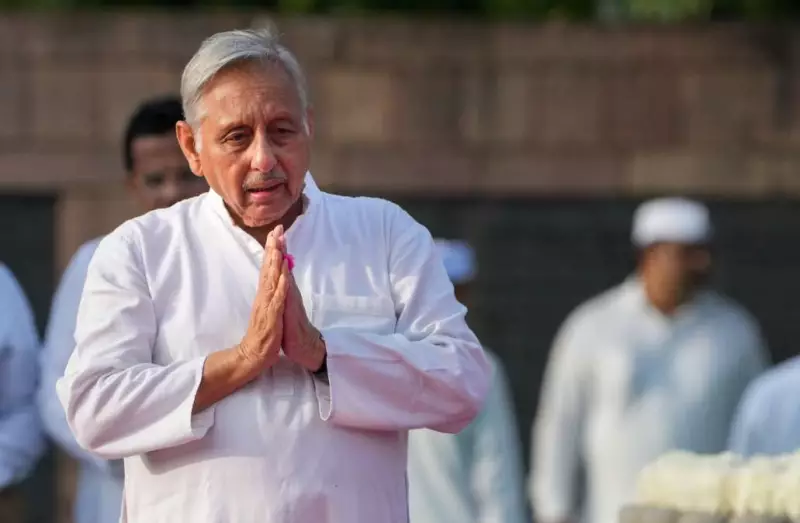
Senior Congress leader Mani Shankar Aiyar has ignited a significant political controversy with his sharp critique of the ruling Bharatiya Janata Party's ideological cornerstone. During a recent discussion, Aiyar made a statement that has drawn immediate and fierce condemnation from the BJP, plunging the political discourse into a fresh debate over nationalism and religious identity.
The Controversial Statement and Immediate Fallout
In his remarks, Aiyar drew a stark distinction between Hinduism and the concept of Hindutva. He asserted, "Hindutva is Hinduism in paranoia." This characterization, suggesting that the political ideology stems from a state of fear and suspicion, was delivered in a broader context critical of the current political climate. The veteran politician, known for his forthright views, did not mince words, framing his argument around what he perceives as a shift from a pluralistic faith to a majoritarian political tool.
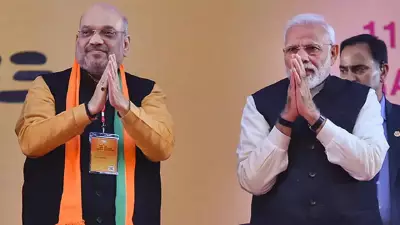
The reaction from the Bharatiya Janata Party was swift and severe. BJP spokespersons and leaders launched a concerted attack on Aiyar, accusing him of insulting the sentiments of millions of Hindus. They framed his comments as part of a long-standing pattern of "appeasement politics" and disrespect towards Hindu beliefs from the Congress party. The BJP's counter-narrative emphasized that Hindutva represents the cultural and national essence of India, rejecting Aiyar's portrayal outright.

Historical Context and Political Repercussions
This incident is not an isolated one in Aiyar's political career. He has often been at the center of storms for his candid comments. The BJP was quick to dredge up past controversies, using them to paint a picture of consistent disregard. For the Congress party, the statement presented a familiar dilemma: managing the outspoken views of its senior leaders while attempting to present a unified political front, especially in a charged electoral environment.
The timing of the remark is crucial, as it feeds directly into the ongoing and highly polarized political debate in India. The BJP has consistently positioned itself as the sole protector of Hindu interests, while accusing opposition parties like the Congress of minority appeasement. Aiyar's comments provided fresh ammunition for the ruling party to reinforce this narrative, potentially mobilizing its core base by portraying the opposition as insensitive to majority sentiments.
A Deepening Ideological Chasm
The core of the dispute lies in the fundamentally different interpretations of two key terms: Hinduism and Hindutva. Aiyar's argument hinges on separating the religion from its political manifestation, implying the latter is a distorted, fear-driven version. The BJP and its ideological allies reject this separation entirely, viewing Hindutva as the natural and organic national expression of the Hindu way of life. This clash is emblematic of the deeper ideological battle shaping India's contemporary politics.
As the war of words escalates, the controversy underscores the increasingly sharp fault lines in Indian political discourse. Statements from senior politicians are instantly amplified, becoming national flashpoints that define party positions and influence public perception. The episode involving Mani Shankar Aiyar serves as another chapter in this ongoing struggle, highlighting how issues of faith, identity, and nationalism remain powerfully potent and deeply divisive in the public sphere. The political ramifications are likely to reverberate, with both sides digging in for a prolonged ideological conflict.