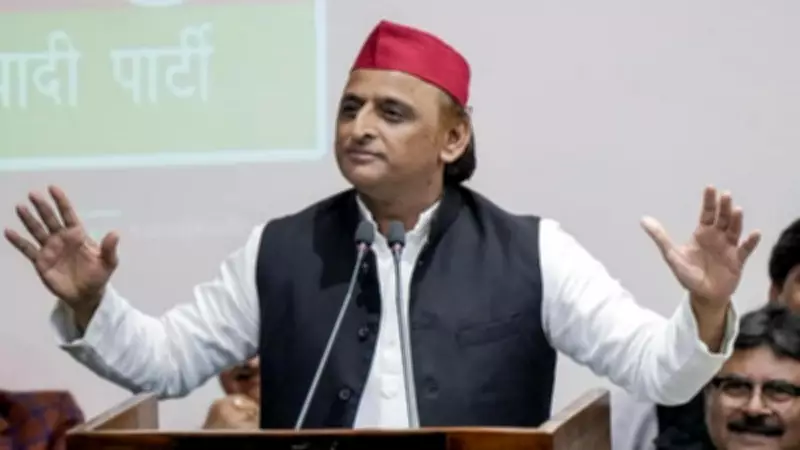
Akhilesh Yadav Raises Alarm Over Alleged Mass Voter Deletion in Uttar Pradesh
Samajwadi Party leader and former Uttar Pradesh Chief Minister Akhilesh Yadav has made serious allegations regarding the deletion of his party's supporters from electoral rolls during the ongoing Special Intensive Revision (SIR) process. He has formally sought the intervention of the Election Commission of India to address what he describes as a systematic attempt to disenfranchise voters.
Demand for Stricter Electoral Roll Management
In his appeal to the Election Commission, Yadav emphasized that the process of deleting names through Form 7 should be initiated exclusively by the Booth Level Officer (BLO). He argued that allowing deletions from any other source creates vulnerabilities and potential for manipulation. "This is a critical safeguard for democratic integrity," he stated, highlighting concerns about unauthorized alterations to voter lists.
The allegations come at a politically sensitive time as Uttar Pradesh prepares for upcoming electoral processes. Yadav claims that supporters of the Samajwadi Party are being specifically targeted in what appears to be a coordinated effort to weaken the party's electoral prospects.

Broader Implications for Electoral Democracy
This controversy raises significant questions about:
- The transparency of voter list maintenance procedures
- The accountability mechanisms for electoral roll revisions
- The potential impact on fair representation in democratic processes
- The role of local officials versus centralized systems in voter management
Political observers note that similar allegations have surfaced in previous election cycles, though the current claims appear more systematic in nature according to Yadav's presentation. The Election Commission now faces pressure to investigate these claims thoroughly and implement corrective measures if necessary.
The Special Intensive Revision process is designed to clean electoral rolls of duplicate, deceased, or otherwise ineligible voters, but critics argue it can be misused for partisan purposes if not properly monitored. Yadav's intervention brings this debate to the forefront of political discourse in India's most populous state.