

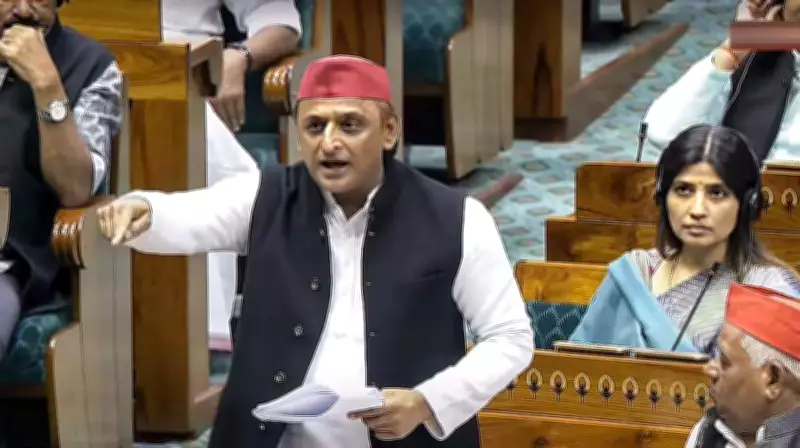
Akhilesh Yadav Sparks Fiery Parliament Debate Over Women's Reservation Bill
In a dramatic parliamentary session, Samajwadi Party leader Akhilesh Yadav launched a scathing critique of the government's Women's Reservation Bill, accusing the ruling BJP of using women's empowerment as a political slogan rather than implementing genuine reforms. The debate quickly escalated into a broader confrontation over social justice and electoral strategy.
Questioning Timing and Political Intent
Akhilesh Yadav raised serious concerns about the timing of the bill's introduction, suggesting it was politically motivated rather than driven by genuine commitment to gender equality. "Why this sudden urgency when critical exercises like the caste census and delimitation have been delayed for years?" he questioned during his parliamentary address.
The opposition leader argued that true women's empowerment requires comprehensive social reforms, not just legislative gestures timed for electoral advantage. He emphasized that without addressing underlying structural issues, the bill would remain symbolic rather than transformative.

Demanding Inclusive Representation
While expressing support for the principle of women's reservation, Yadav demanded significant amendments to ensure proper representation of marginalized communities:
- OBC Women Inclusion: He insisted that any women's reservation must include specific quotas for Other Backward Classes to reflect India's social diversity
- Minority Representation: The SP leader called for provisions ensuring women from minority communities receive adequate political representation
- Social Justice Framework: Yadav argued that true empowerment requires addressing intersectional disadvantages faced by women from different social backgrounds
"Reservation without social justice is incomplete. We must ensure that women from all sections of society, particularly the most marginalized, get their rightful place in our political system," he stated emphatically.
BJP's Strong Defense and Constitutional Arguments
The BJP responded with equal vigor, defending the Women's Reservation Bill as a historic step toward gender equality in Indian politics. Government representatives argued that the legislation represents a long-overdue correction of historical imbalances in political representation.
"Religion-based quotas are unconstitutional and against the basic structure of our democracy," countered BJP parliamentarians, emphasizing that the current bill follows constitutional principles while advancing women's political participation.
The ruling party presented the legislation as a progressive measure that transcends political calculations, aimed at fundamentally transforming India's political landscape by ensuring greater gender balance in decision-making bodies.
Broader Political Implications
The parliamentary clash highlighted several critical issues in India's evolving political discourse:
- Timing Controversy: The debate revealed deep divisions over whether the bill's introduction represents genuine reform or electoral strategy
- Social Justice vs. Gender Justice: The discussion exposed tensions between advocates of caste-based social justice and proponents of gender-based political reforms
- Constitutional Boundaries: Both sides invoked constitutional principles to support their positions on reservation policies
- Electoral Calculations: The heated exchange reflected underlying political calculations ahead of upcoming elections
As both political parties hardened their positions, the parliamentary session demonstrated the complex challenges of balancing competing demands for social justice, gender equality, and political representation in contemporary India. The debate continues to resonate beyond Parliament, sparking nationwide discussions about the most effective pathways to genuine political empowerment for all sections of society.






