

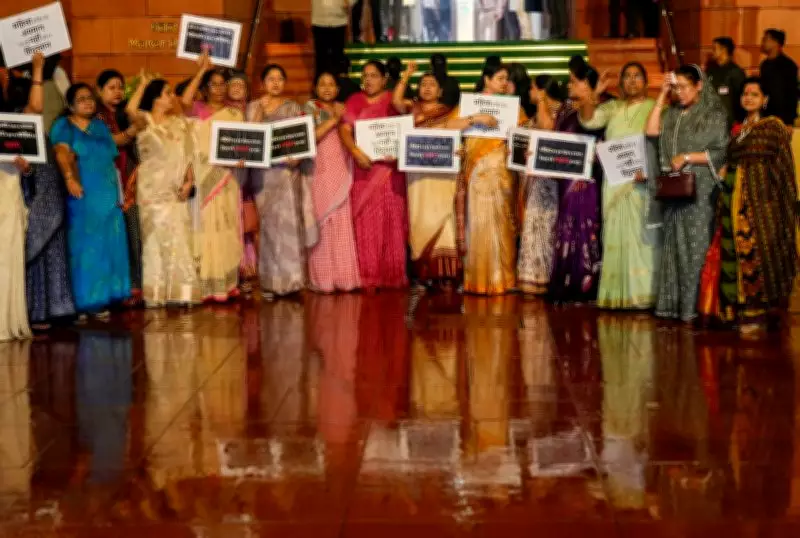
Women's Reservation Bill Fails to Clear Lok Sabha Test, Stalling Gender Quota Push
The Women's Reservation Bill, a long-pending legislative proposal designed to reserve 33% of seats for women in both Parliament and state legislatures across India, has failed to clear the crucial Lok Sabha test. This setback represents a significant blow to efforts aimed at enhancing female representation in the country's political landscape, leaving the proposed gender quota in a state of limbo.
Key Details of the Legislative Failure
The bill, which has been a topic of intense debate and discussion for decades, encountered strong opposition from various political factions during the recent parliamentary session. Despite initial hopes for bipartisan support, the legislation could not muster the necessary majority votes required for passage in the lower house of Parliament. Procedural hurdles, including disagreements over implementation timelines and concerns about the impact on existing reservation systems, further complicated the voting process.
Historical Context and Political Implications

First introduced in the 1990s, the Women's Reservation Bill has faced numerous obstacles over the years, with previous attempts also failing to gain traction. The current failure in the Lok Sabha underscores the deep-seated challenges in achieving consensus on gender-based quotas in Indian politics. Proponents argue that the bill is essential for empowering women and ensuring their voices are heard in decision-making processes, while opponents cite issues such as potential disruptions to the political ecosystem and the need for broader electoral reforms.
Reactions and Future Prospects
Following the vote, reactions from political leaders and advocacy groups have been mixed. Supporters of the bill expressed disappointment, calling the outcome a missed opportunity to advance gender equality in governance. In contrast, some critics reiterated their stance that the proposal requires more nuanced consideration to address regional and community-specific concerns.
Looking ahead, the failure to pass the Women's Reservation Bill in the Lok Sabha raises questions about the future of gender quota initiatives in India. While the bill may be reintroduced in subsequent sessions, its prospects remain uncertain given the current political dynamics. This development highlights the ongoing struggle to balance traditional political structures with progressive reforms aimed at inclusivity.
In summary, the Women's Reservation Bill's inability to clear the Lok Sabha test marks a pivotal moment in India's legislative history, stalling efforts to implement a 33% reservation for women in elected bodies and sparking renewed debates on gender representation in the nation's democracy.






