Arif Mohammed Khan's Perspective on Narendra Modi Transformed After Gujarat Visit
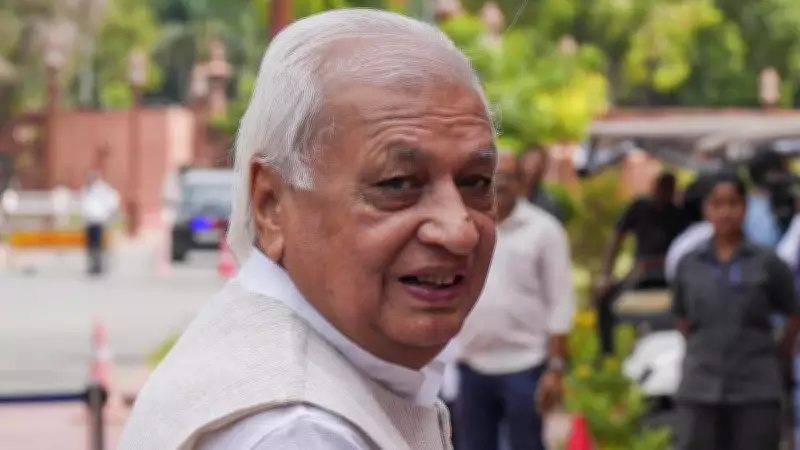
Arif Mohammed Khan, a prominent political figure, has publicly disclosed a significant shift in his views regarding Prime Minister Narendra Modi. Initially critical of Modi in the aftermath of the Godhra incident, Khan's stance evolved after he spent considerable time in Gujarat, gaining firsthand insights into the state's development and governance under Modi's leadership.
Book Launch Event Highlights Changing Perceptions
Khan made these remarks during the launch of the book "Revolutionary Raj: Narendra Modi's 25 Years", authored by journalist Alok Mehta. The event took place at the Constitution Club of India in New Delhi, drawing attention from political analysts and media representatives. The book chronicles Modi's political journey over two and a half decades, offering a detailed account of his policies and impact.
In his speech, Khan elaborated on how his initial criticisms, rooted in the context of the Godhra riots, were reconsidered after observing Gujarat's progress during Modi's tenure as Chief Minister. He emphasized that direct exposure to the state's administrative reforms and economic growth led him to reassess Modi's contributions, highlighting a move from skepticism to a more balanced appreciation.

Implications for Political Discourse and Public Opinion
This revelation underscores the dynamic nature of political opinions and the importance of personal experience in shaping perspectives. Khan's changed views may influence broader discussions on Modi's legacy, particularly in relation to Gujarat's development narrative. The event also served as a platform for reflecting on how leaders' actions over time can alter public and political perceptions, fostering a deeper understanding of complex historical events.
The launch of "Revolutionary Raj: Narendra Modi's 25 Years" not only celebrates Modi's political milestones but also invites critical engagement with his governance model. Khan's testimony adds a personal dimension to this discourse, illustrating how firsthand engagement can lead to revised judgments in political assessments.