

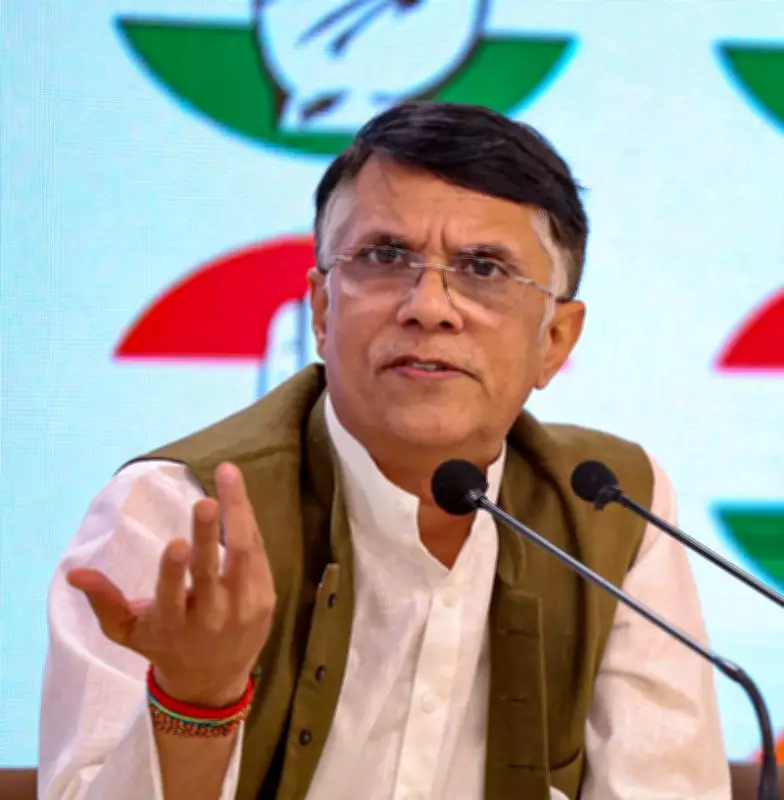
Assam Government Escalates Legal Battle by Approaching Supreme Court Over Anticipatory Bail to Congress Leader Pawan Khera
In a significant legal development, the Assam government has officially moved the Supreme Court of India to challenge the anticipatory bail granted to senior Congress leader Pawan Khera. This action marks a critical escalation in an ongoing defamation case that has captured national attention, intertwining political rivalry with judicial proceedings. The state government's petition seeks to overturn the bail order, arguing that it undermines the seriousness of the allegations and could potentially impede the investigation process.
Background of the Defamation Case and Legal Proceedings
The controversy stems from a defamation case filed against Pawan Khera by the Assam government, which accuses him of making derogatory and inflammatory statements that allegedly tarnished the reputation of the state administration and its officials. The case was initiated following Khera's public remarks, which the government contends were baseless and malicious, aimed at discrediting its policies and governance. Initially, a lower court had denied Khera anticipatory bail, but this decision was later overturned by a higher court, granting him protection from arrest pending trial.
The Assam government's appeal to the Supreme Court is grounded in concerns over legal precedent and the integrity of the judicial process. Authorities argue that anticipatory bail in such high-stakes defamation cases could set a dangerous precedent, potentially encouraging similar conduct by political figures without fear of immediate legal consequences. They emphasize that the allegations involve serious charges that warrant thorough investigation, and any delay or obstruction could compromise justice.

Political Implications and Reactions from Both Sides
This legal maneuver has ignited a fierce political debate, with the Congress party rallying behind Pawan Khera, denouncing the Assam government's actions as politically motivated harassment. Congress leaders have accused the ruling dispensation in Assam of using the judiciary to target opposition figures and stifle dissent, framing the case as an attempt to intimidate critics ahead of upcoming elections. They assert that Khera's statements were within the bounds of free speech and critique, essential in a democratic setup.
On the other hand, the Assam government, led by the Bharatiya Janata Party (BJP), defends its stance by highlighting the need to uphold the rule of law and protect public institutions from defamatory attacks. Officials state that the petition is not about politics but about ensuring accountability and maintaining the dignity of state governance. This clash underscores the deepening political polarization in India, where legal battles often become proxies for larger ideological conflicts.
Legal Arguments and Potential Outcomes in the Supreme Court
The Supreme Court is now poised to examine the merits of the Assam government's petition, which will likely involve detailed arguments on the balance between individual rights and state interests. Key legal points include:
- The interpretation of defamation laws and their application to political speech.
- The criteria for granting anticipatory bail in cases involving public figures and state entities.
- The potential impact of such bail on ongoing investigations and public confidence in the legal system.
Legal experts suggest that the court's decision could have far-reaching implications for future cases involving politicians and defamation charges. If the Supreme Court upholds the anticipatory bail, it may reinforce protections for free expression, whereas overturning it could strengthen the state's ability to pursue legal action against perceived defamation. The outcome is eagerly awaited, as it will not only resolve this specific dispute but also shape the legal landscape for political discourse in India.

In conclusion, the Assam government's move to challenge Pawan Khera's anticipatory bail in the Supreme Court adds a new chapter to this contentious legal saga. As the case progresses, it highlights the intricate interplay between law, politics, and democracy, with both sides preparing for a protracted battle that could influence electoral dynamics and judicial norms in the country.





