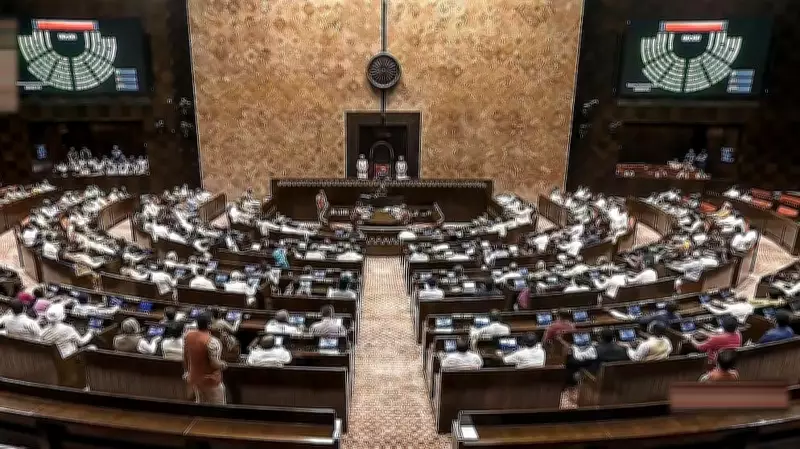
Women's reservation in Indian legislatures has been a long-standing demand, but the path to achieving it remains contentious. While the Women's Reservation Bill, which reserves 33% of seats in Parliament and state assemblies for women, has been pending for decades, state assemblies offer a more pragmatic and immediate solution.
The Case for State Assemblies
Unlike Parliament, where political dynamics and constitutional amendments are complex, state assemblies can implement women's reservation through state-level legislation. Several states, including Bihar and Andhra Pradesh, have already experimented with reservation in local bodies, demonstrating its feasibility. The success of these experiments suggests that state assemblies can serve as laboratories for gender equality in politics.
Overcoming Parliamentary Hurdles
The Women's Reservation Bill has faced repeated opposition due to concerns about caste and community representation. However, state assemblies can tailor reservation policies to local contexts, addressing these concerns more effectively. For instance, states can introduce sub-quotas for women from marginalized communities, ensuring broader inclusivity.

Moreover, state assemblies are closer to the grassroots, making them more responsive to the needs of women. Reservation in these bodies can directly impact local governance, leading to better outcomes in health, education, and infrastructure. Studies have shown that women leaders in panchayats prioritize issues like clean water, sanitation, and child welfare.
A Step Towards National Change
Implementing women's reservation in state assemblies can create a pipeline of experienced women politicians who can later contest parliamentary elections. This bottom-up approach can gradually shift the gender imbalance in Indian politics. It also reduces the fear of sudden change that often stalls national legislation.
Critics argue that state-level reservation may lead to a fragmented approach, but the diversity of Indian states demands flexibility. A uniform national law may not account for regional variations in social and political structures. State assemblies can experiment with different models, and successful ones can be replicated elsewhere.
Political Will and Public Support
The key to achieving women's reservation in state assemblies is political will. Parties must prioritize gender equality and push for legislation in state legislatures. Public support, too, is crucial; women's organizations and civil society can pressure governments to act. The recent increase in women's voter turnout indicates a growing political consciousness that can be leveraged.
In conclusion, while the goal of women's reservation in Parliament remains important, state assemblies offer a clearer and more immediate path. By focusing on state-level reforms, India can make significant strides towards gender parity in politics, setting a precedent for national change.