Political Firestorm Erupts Over Naxal Campaign as Baghel Confronts Shah
A significant political controversy has engulfed India's anti-Naxal campaign following a sharp exchange between former Chhattisgarh Chief Minister Bhupesh Baghel and Union Home Minister Amit Shah. The confrontation erupted after Shah's statements in the Lok Sabha regarding the country's progress against Maoist violence.
Shah's Parliamentary Remarks Spark Immediate Backlash
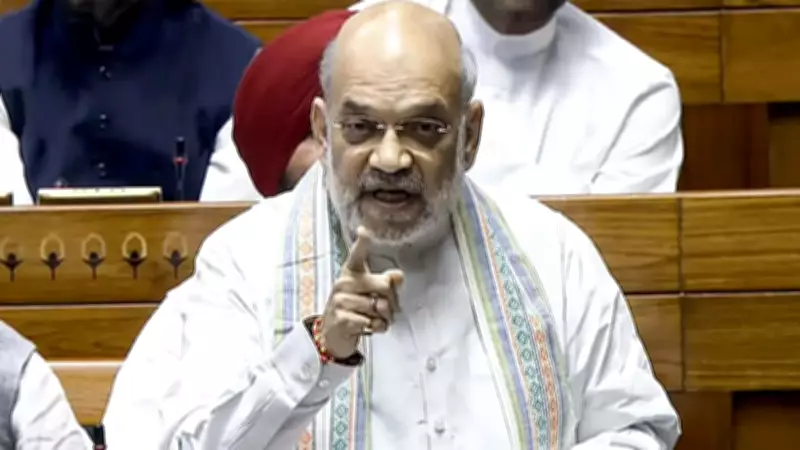
During a parliamentary discussion on Naxalism on Monday, Home Minister Amit Shah declared that India was now nearly free from Naxal violence while criticizing the Congress party's historical handling of the issue. Shah specifically targeted the previous Congress government in Chhattisgarh, alleging it had "saved" Maoists during its tenure.
"Amid opposition protests, Shah asserted he could provide evidence and suggested that questions should be directed at Bhupesh Baghel," the Home Minister stated during the heated parliamentary session.

Baghel's Forceful Rebuttal on Social Media
Responding swiftly on social media platforms, former Chief Minister Bhupesh Baghel categorically rejected Shah's allegations as "blatantly false" and accused the Union Minister of politicizing the sensitive Maoist issue. Baghel presented a detailed counter-argument highlighting his government's anti-Naxal efforts.
"During our five-year administration in Chhattisgarh, multiple meetings of chief ministers from Naxal-affected states were conducted with participation from chief secretaries and DGPs," Baghel emphasized. "The Central government never raised any objections at that time about our government protecting Maoists."
Demand for Evidence and Defense of Congress Record
Baghel challenged Shah to publicly present any evidence if the Centre had indeed objected to his government's actions during the Congress tenure. The former chief minister maintained that the Maoist issue should remain above partisan politics, noting that Congress has suffered profoundly from Maoist violence with the loss of senior leaders in attacks.
"Our government continuously fought Maoists and established security camps deep inside Bastar region," Baghel asserted. "Without these foundational efforts, many current operations would not have been possible."
In a particularly pointed remark, Baghel stated that while Shah was welcome to praise the Centre's current campaign, he should not attempt to gain political advantage by "stepping on our back."
Current Chief Minister's Counter-Allegations
Chhattisgarh Chief Minister Vishnu Deo Sai responded strongly to Baghel's statements, labeling them as "completely false" and accusing the former CM of attempting to conceal his administration's shortcomings.
Sai revealed that after the new government assumed power in December 2023, Home Minister Shah visited the state the following month to review the Naxal situation across affected states. "The review found that more than 75% of Naxalism was concentrated in Chhattisgarh," the Chief Minister disclosed.
"Had the previous Congress government demonstrated firm resolve and fought Maoism with proper intent during its five-year term, the situation would not have deteriorated to this extent," Sai argued. "Other states managed to reduce Naxalism to residual presence. Chhattisgarh could have achieved similar results."
The Chief Minister further alleged that the previous state administration failed to cooperate adequately with the Centre in addressing Maoist challenges, reinforcing his characterization of Baghel's recent statements as absolutely false.
Broader Implications for Anti-Naxal Strategy
This political confrontation highlights the ongoing tensions between state and central governments regarding security policy implementation. The exchange raises important questions about:

- The appropriate boundaries between political discourse and national security matters
- Historical accountability for anti-Naxal operations across different administrations
- Intergovernmental cooperation in addressing left-wing extremism
- The potential impact of political disputes on ongoing security operations
As both sides present conflicting narratives about Chhattisgarh's anti-Naxal efforts, the debate underscores the complex challenges in addressing Maoist violence while maintaining political consensus on security matters. The controversy continues to evolve with implications for both state politics and national security policy.