Barak Valley's High-Stakes Electoral Battle Unfolds in Southern Assam
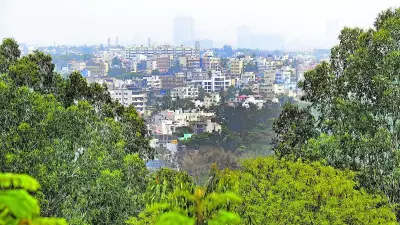
As the sun sets over the silent campaigning across the lush tea gardens and bustling markets of southern Assam, the 13 assembly constituencies of the Barak Valley are preparing for a pivotal showdown on Thursday. This election marks the valley's first major electoral test following the transformative 2023 delimitation exercise, which reduced the number of seats from 15 to 13 and fundamentally altered the political map of Cachar, Hailakandi, and Sribhumi districts.
BJP's Strategy: Infrastructure and Cultural Identity
The Bharatiya Janata Party (BJP), led by the high-decibel campaigning of Chief Minister Himanta Biswa Sarma, is aiming to consolidate its hold over this Bengali-speaking heartland. The party has anchored its narrative in a blend of infrastructure development and cultural identity, pitching the recent renaming of Karimganj to Sribhumi as a restoration of historical pride. For the saffron party, a sweep in the valley is seen as crucial to offset potential fluctuations in upper Assam and to demonstrate that its "double-engine" growth model resonates with the state's linguistic minorities.
Congress-Led Opposition's Counterattack
However, the road to Dispur is fraught with challenges for the ruling alliance. The Congress-led Asom Sonmilito Morcha is banking on consolidated anti-incumbency and strategic alliances with regional players to reclaim its former bastion. Once a Congress stronghold, the valley has recently become a laboratory for fragmented mandates. The grand old party now hopes that bread-and-butter issues—such as rising unemployment and stagnant wages of tea garden workers—will outweigh the BJP's identity-driven rhetoric.

Regional Parties: The X-Factor in the Election
The "X-factor" in this election remains the All India United Democratic Front (AIUDF) and the Trinamool Congress (TMC). In the minority-dominated belts of Hailakandi and Sribhumi, Badruddin Ajmal's AIUDF continues to wield significant influence, threatening to split the opposition vote. Simultaneously, the TMC, under Sushmita Dev's leadership, is making a determined push to position itself as the primary voice of the Bengali population, particularly in rural pockets like Karimganj South, Udharband, Katigorah, and Sonai. Political analysts suggest this three-way split in the opposition ranks is precisely what the BJP is counting on to secure a smooth victory.
Infrastructure and Development: Key Poll Issues
Infrastructure remains a perennial poll issue in this geographically isolated corner of the state. While the progress of the Mahasadak project is a point of pride for the government, the opposition has been quick to highlight the lack of industrial growth and the long-standing grievance over the closure of the Cachar Paper Mill. In the rural interiors, demands for better healthcare and connectivity remain vocal, often cutting across communal lines.
High-Profile Individual Battles Post-Delimitation
Delimitation has also set the stage for several high-profile individual battles. In Katigorah, the defection of former Congress heavyweight Kamalakhya Dey Purkayastha to BJP has turned the seat into a prestige contest for both camps. Similarly, in Hailakandi, the contest is as much about family legacies as party symbols. Rahul Roy, the state's wealthiest candidate with declared assets exceeding Rs 261 crore and son of former minister Gautam Roy, is fighting a high-stakes battle against BJP's Milon Das to reclaim his family's political relevance.
Security and Voter Turnout in the Valley
With over 25 lakh voters expected to exercise their franchise on Thursday, the administration has turned the valley into a fortress. Security has been tightened along the international border and in sensitive pockets to ensure a peaceful polling process. As the silence period remains in effect, candidates have shifted from stage rallies to door-to-door canvassing. Whether the Barak Valley opts for a saffron surge or a return to its pluralistic political roots will be revealed when votes are counted on May 4, say political observers.