

Forest Department Implements Robust Safety Protocols for Bengal Assembly Elections
The West Bengal forest department has activated a series of specialized measures to guarantee the safety of voters and polling officials during the first phase of the state assembly elections on Thursday. This initiative specifically targets regions with high elephant activity in both south and north Bengal, where human-animal conflicts pose a significant risk to electoral proceedings.
South Bengal: High Alert in Sensitive Polling Booths
In south Bengal, authorities have identified approximately 25 polling booths as sensitive due to their close proximity to active elephant corridors. Jhargram district emerges as the most critical area, accounting for nearly 60% of these vulnerable locations. Key concern zones within Jhargram include Manikpara, Belpahari, Banspahari, and Lalgarh.
Additional districts marked as sensitive encompass Bankura, with specific attention on Barjora, Sonamukhi, and Radhanagar. Furthermore, West Midnapore, along with Garbeta and Pirakata, have been classified as areas requiring heightened vigilance.

To mitigate risks, the department has installed between 450 and 500 drop gates at critical entry points, particularly along border regions adjoining Jharkhand and Odisha. These structures are designed to regulate and control elephant movement effectively. Select locations have also been equipped with advanced AI-enabled CCTV surveillance systems to continuously monitor elephant activity and provide real-time alerts.
North Bengal: Special Escorts for Forest Village Booths
In north Bengal, forest officials have meticulously mapped six polling booths situated inside forest villages within the Jaldapara National Park. Voters and election personnel assigned to these booths will receive special escorts to ensure their secure transit to and from polling stations.
Parveen Kaswan, the Divisional Forest Officer (DFO) of the Jaldapara wildlife division, outlined the emergency preparedness plan. "A dedicated control room will be operational, and contact numbers have been disseminated to all stakeholders for immediate reporting of any man-animal conflict situations," Kaswan stated. A Quick Response Team (QRT) will be on 24x7 standby at Madarihat to address any emergencies swiftly.
Comprehensive Tracker Team Deployment
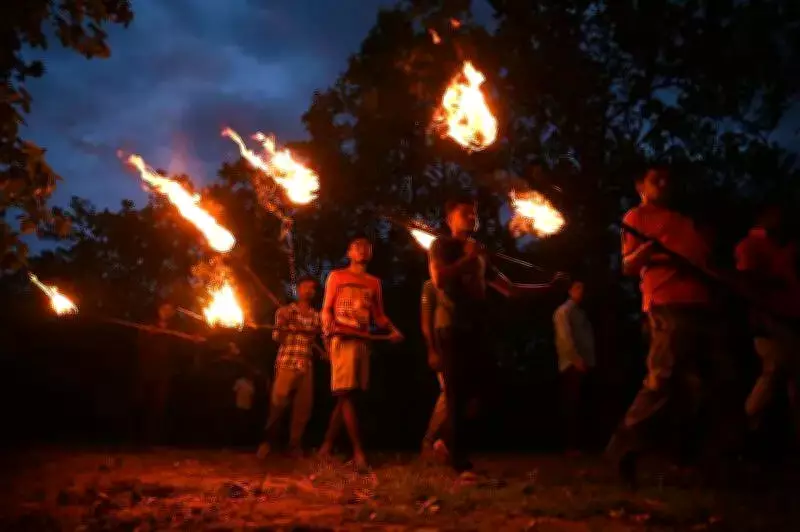
To proactively prevent human-elephant conflicts, the forest department has mobilized around 75 specialized tracker teams across the identified elephant corridors. Each team comprises 10 to 15 trained personnel, with the size adjusted based on the terrain's complexity and the specific vulnerability level of the area.
These tracker teams have been strategically deployed 48 hours prior to the polling day and will maintain uninterrupted, round-the-clock surveillance. Their primary objective is to monitor elephant movements, deter encroachments near polling sites, and respond promptly to any potential threats.
The entire array of safety arrangements is being closely monitored and supervised by Dr. Singaram Kulandaivel, the Chief Conservator of Forests for the Western Circle. This multi-faceted approach underscores the department's commitment to ensuring a secure and incident-free voting process in ecologically sensitive regions during this crucial electoral phase.






