

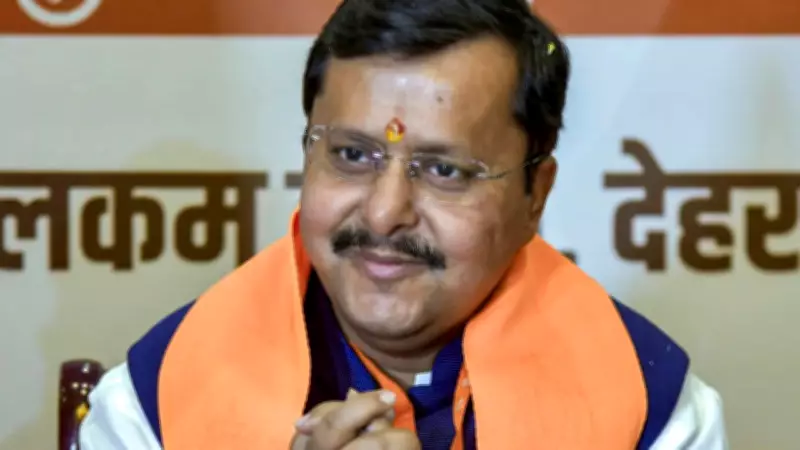
NEW DELHI: Uttarakhand may not rank high among states by political weight, but it holds significant importance in the BJP's strategic planning. Party president Nitin Nabin spent three days in the hill state, engaging with booth-level workers, MPs, and MLAs, and brainstorming strategies to win seats that the party narrowly lost in the 2022 assembly elections.
Early Moves Across States
While Uttarakhand's assembly election is due early next year, Karnataka's polls are still two years away. Nabin recently visited Karnataka for two days, emphasizing the need for a united front in a state unit plagued by internal factionalism. He combined efforts to unify ranks with outreach to intellectuals and other key constituencies.
Election or no election, the BJP is always preparing for the next round of polls: strengthening its organizational machinery, connecting with people, and adapting its messaging. In contrast, rivals often spring into action much closer to the formal announcement of the contest.

Five-State Focus
The next round of assembly elections in five states—Uttar Pradesh, Uttarakhand, Punjab, Manipur, and Goa—is nine to ten months away. However, the BJP has already started making moves to outpace its rivals with an early start. The party is in power in all these states except Punjab, where it is investing significant political capital to emerge as a strong force. This follows over two decades of playing second fiddle to former ally Akali Dal until their split in 2020.
The December appointment of Pankaj Chaudhary, a Kurmi from the backward classes, is seen as part of the BJP's political strategy to reclaim territory lost in the 2024 Lok Sabha elections. The governing party is expected to continue taking steps to counter the Samajwadi Party's PDA (pichhda-dalit-alpasankhyak) pitch in the coming days.






