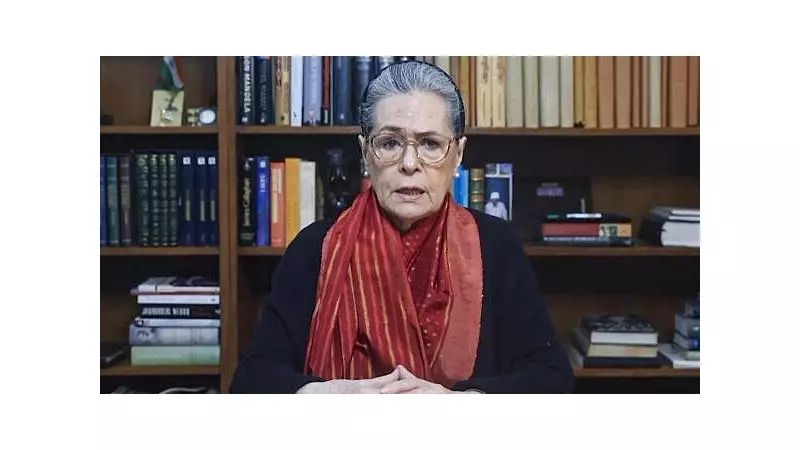
The Bharatiya Janata Party (BJP) has launched a sharp counterattack against Congress leader Sonia Gandhi, dismissing her recent criticism of the newly enacted VB-G RAM G Act as a product of "selective memory and outright falsehoods." The rebuttal comes after the bill's passage in Parliament's just-concluded Winter Session, a process marked by intense opposition protests.
A Heated Parliamentary Passage
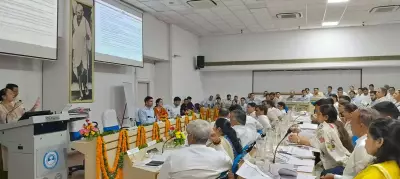
Parliament successfully passed the contentious VB-G RAM G Act bill during the Winter Session, which concluded last week. The legislative journey was anything but smooth, with the opposition staging vociferous protests in both the Lok Sabha and the Rajya Sabha. Despite the uproar, the ruling government managed to secure the bill's passage, setting the stage for a fresh political confrontation.
BJP's Forceful Rebuttal
In a strongly-worded response, the BJP has categorically rejected the claims made by Sonia Gandhi against the legislation. The party asserts that her arguments are not based on factual scrutiny but are instead rooted in a deliberately selective recollection of events and verifiable inaccuracies. This accusation suggests the BJP views the criticism as a politically motivated narrative rather than substantive policy debate.

The party's statement implies that Gandhi's opposition overlooks key aspects or the intended purpose of the Act, framing her stance as obstructive. By using terms like "outright falsehoods," the BJP aims to decisively challenge the credibility of the critique coming from the Congress leadership.
Implications and Political Fallout
This exchange underscores the deep and persistent rift between the ruling dispensation and the principal opposition party on major legislative matters. The passage of the VB-G RAM G Act amid significant protest highlights the government's determination to push through its agenda, while the subsequent war of words ensures the issue remains in public discourse.
The BJP's aggressive defense signals its intent to control the narrative around the Act, preempting potential opposition campaigns against it. As both sides dig in, this controversy is likely to fuel further political debates, with each party appealing to its support base ahead of future electoral challenges.