

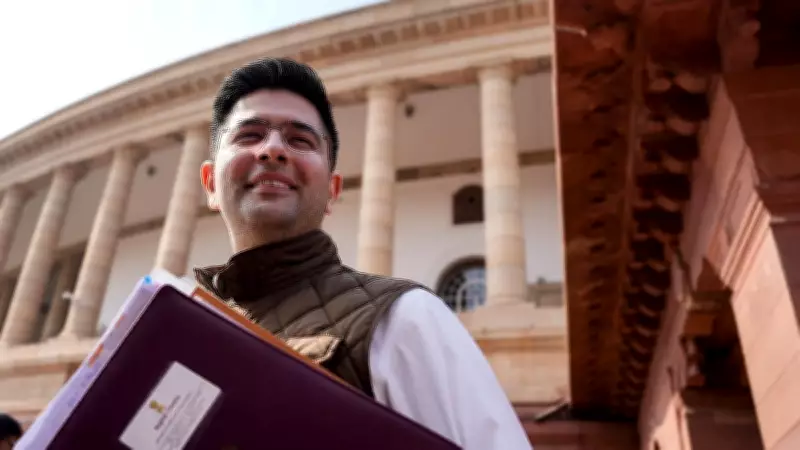
BJP Seizes on Raghav Chadha's AAP Fallout to Attack Arvind Kejriwal
The Bharatiya Janata Party has launched a sharp political offensive against Delhi Chief Minister Arvind Kejriwal, capitalizing on the recent fallout between the Aam Aadmi Party and its prominent leader Raghav Chadha. BJP's Delhi unit chief Virender Sachdeva made scathing remarks, alleging a pattern of behavior where Kejriwal allegedly uses people for political gain before discarding them.
'Kejriwal Uses People, Then Gets Rid of Them'
Virender Sachdeva stated emphatically that Arvind Kejriwal follows a consistent pattern in his political dealings. "Kejriwal uses people, then gets rid of them," Sachdeva declared, positioning this as a fundamental criticism of the AAP convener's leadership style. The BJP leader suggested this approach reveals deeper character flaws within Kejriwal's political methodology.
Psychological Analysis of Kejriwal's Leadership
Sachdeva provided a psychological assessment of the Delhi Chief Minister, describing him as "a frightened, weak man" who operates from a position of insecurity. According to the BJP leader, Kejriwal "dislikes the opposition and is intimidated by the competence of others." This characterization paints a picture of a leader who allegedly feels threatened by capable individuals within and outside his party.

The timing of these comments is particularly significant as they come amid growing tensions within the Aam Aadmi Party regarding Raghav Chadha's position and influence. Chadha, who has been a visible face of AAP in Parliament and media interactions, has reportedly experienced diminishing prominence within the party structure.
Political Implications of Internal AAP Discord
The BJP's intervention in what appears to be internal AAP matters represents a strategic political maneuver. By positioning themselves as sympathetic to Chadha's situation, the BJP attempts to:
- Highlight perceived instability within AAP leadership
- Undermine Kejriwal's credibility as a party leader
- Create narrative momentum ahead of upcoming political contests
- Exploit visible cracks in opposition unity
This development occurs against the backdrop of ongoing political realignments in Indian politics, where opposition parties face increasing pressure to present united fronts against the ruling BJP. The public airing of internal disagreements within AAP provides ammunition for political opponents seeking to question the party's organizational cohesion.
Historical Context of Political Allegations
The allegations against Kejriwal follow a familiar pattern in Indian political discourse where leaders frequently accuse opponents of:
- Exploiting loyal supporters for temporary advantage
- Displaying authoritarian tendencies within party structures
- Failing to nurture talent and accommodate diverse viewpoints
- Prioritizing personal control over collective decision-making
What makes this particular episode noteworthy is the specific targeting of Kejriwal's interpersonal dynamics and leadership psychology, moving beyond policy disagreements to character assessment.
The political fallout from these developments remains uncertain, but the BJP's calculated intervention suggests they perceive vulnerability in AAP's current configuration. As opposition parties navigate complex alliances and internal dynamics, such public criticisms from political rivals add another layer of complexity to India's evolving political landscape.






