BJP Captures BMC Fortress, Political Waves Spread Nationwide
The Brihanmumbai Municipal Corporation election results have delivered a decisive victory for the Bharatiya Janata Party and its ally, the Shiv Sena led by Deputy Chief Minister Eknath Shinde. This win marks a significant shift in Mumbai's political landscape, with implications stretching far beyond Maharashtra's borders.
A Testament to Changing Political Dynamics
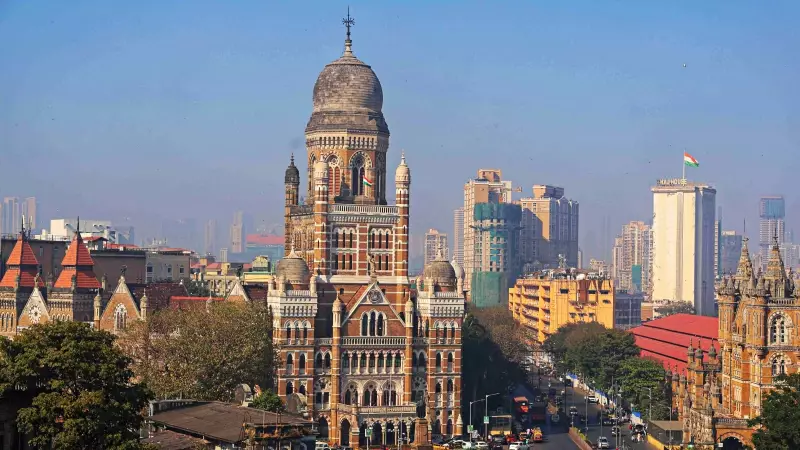
The iconic BMC building, with its distinctive Gothic Victorian architecture, has long symbolized Mumbai's unique character. On Friday, as election results confirmed BJP's control over this crucial civic body, it became clear that Mumbai's political identity has transformed substantially. The BJP-Shinde alliance successfully defeated Uddhav Thackeray's Shiv Sena (UBT), demonstrating changing voter preferences in India's financial capital.
This outcome was anticipated by many political observers. The BJP had been just two seats short of the undivided Shiv Sena's tally in the 2017 elections. Since then, party consolidation following splits in both Shiv Sena and NCP strengthened their position significantly. The BJP strategically aligned with breakaway factions led by Deputy Chief Ministers Eknath Shinde and Ajit Pawar, creating a formidable coalition.

Fadnavis Emerges as Key Beneficiary
Chief Minister Devendra Fadnavis stands as the primary beneficiary of this electoral success. The BMC victory solidifies his control over Maharashtra's government and enhances his national stature within the BJP. Since assuming the chief minister's office last year, Fadnavis has skillfully managed coalition tensions while focusing on critical urban development issues.
Political analysts now place Fadnavis alongside prominent BJP leaders like Yogi Adityanath and Himanta Biswa Sarma as key figures in the party's future leadership. His handling of the Mahayuti government undoubtedly contributed to BJP's success not just in Mumbai, but also in other important municipal corporations including Pune, once considered a stronghold of the NCP and Pawar family.
Containing Allies While Celebrating Victory
The BMC results provide Fadnavis with additional leverage to manage coalition partners. While allies contributed to the electoral success, the outcome ensures they remain contained within the ruling arrangement. Eknath Shinde's Shiv Sena effectively split Uddhav Thackeray's support base, preventing the latter's victory. Simultaneously, Uddhav's performance limited Shinde's ability to assert greater influence within the coalition.
This creates a favorable situation for the BJP on multiple fronts. Both Shinde and Ajit Pawar find their positions moderated, with Pawar failing to reclaim Pune despite joining forces with his uncle Sharad Pawar. The BJP emerges with strengthened control while allies remain dependent on the party's support.
Building a Broader Support Base
The BJP's victory represents more than just political maneuvering. The party has successfully cultivated support among Mumbai's influential Gujarati community while also appealing to Hindi-speaking migrants from Uttar Pradesh and Bihar. This broader coalition, combined with the party's well-organized electoral machinery, proved decisive against opponents.
This win continues BJP's recovery from setbacks in the 2024 Lok Sabha elections. Subsequent victories in Haryana, Maharashtra, Delhi, and Bihar during 2024-2025 had already signaled the party's resilience. The BMC triumph provides psychological momentum as the BJP prepares for upcoming elections in West Bengal, Tamil Nadu, Assam, and Kerala.
Regional Identity Politics Tested
Despite BJP's victory, Uddhav Thackeray's party remained competitive, demonstrating that sub-nationalism centered on Marathi identity retains some appeal. While the "Marathi manoos" pitch alone couldn't secure victory, issues of regional pride and identity clearly resonated with voters. This outcome offers important lessons for other regional leaders.

Regional parties have traditionally employed caste-based alliances or sub-nationalist narratives to counter BJP's religious mobilization. Leaders like Mamata Banerjee in West Bengal with her Bengali asmita campaign, or M.K. Stalin in Tamil Nadu emphasizing Tamil pride against Hindi imposition, represent this approach. However, the BMC results suggest regional parties may need broader narratives, particularly in states heading to polls this year.
Changing Electoral Patterns Emerge
The municipal elections revealed several evolving trends in Indian politics. The extensive use of financial resources and welfare promises exceeded levels seen in previous elections. Voters displayed increasing pragmatism, focusing on immediate benefits rather than long-term ideological commitments.
These elections also highlighted the fluidity of political alliances in contemporary politics. Politicians demonstrated remarkable willingness to switch parties, form new coalitions, and collaborate with former ideological opponents. This flexibility, while concerning to some observers, may reflect India's unique approach to managing diversity without the sharp ideological divisions seen in other democracies.
The Clear Political Divide
One conclusion emerges clearly from the BMC elections: India's political landscape increasingly features a dominant BJP moving decisively forward while opposition parties struggle to present a coherent alternative. This dynamic, noted by political commentators, has only been reinforced by Mumbai's civic poll results.
The BJP's conquest of the BMC fortress represents more than just a municipal victory. It signals shifting political currents that will influence upcoming state elections and shape national political discourse in the coming months.