BMC Election Results Deliver Clear Political Messages
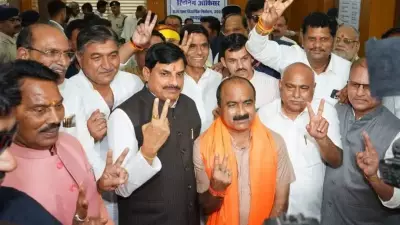
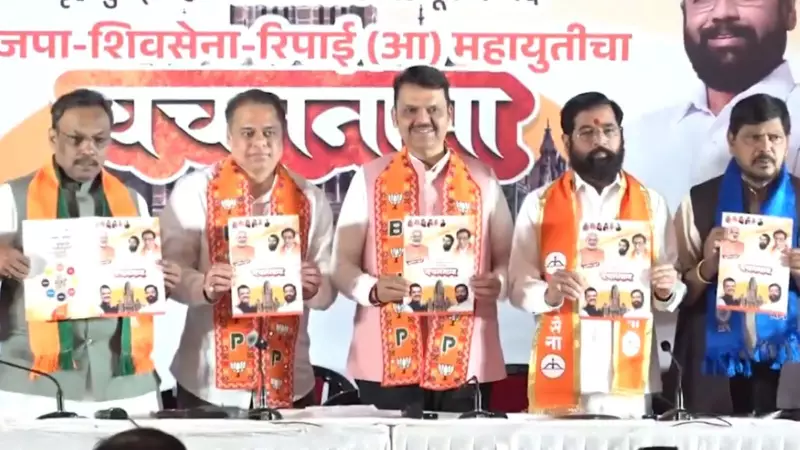
Chief Minister Devendra Fadnavis has achieved a significant milestone for the BJP in Maharashtra. The party now controls the Brihanmumbai Municipal Corporation. However, this victory comes with important qualifications that reveal deeper political dynamics.
BJP's Limited Mandate Requires Alliance Building
Unlike municipal corporations in Pune, Pimpri-Chinchwad, Nashik and Nagpur, Mumbai voters delivered a restrained mandate to the BJP. The party failed to secure a majority on its own. This outcome forces the BJP to coordinate closely with the Shinde Sena to obtain coveted positions within the BMC governing body.
Eknath Shinde has demonstrated his continued relevance through this election. The BJP cannot marginalize his party despite their alliance. Shinde maintains political leverage that the national party must acknowledge.

Uddhav Thackeray Claims Thackeray Legacy in Mumbai
Despite suffering its first BMC defeat since 1997, Shiv Sena (UBT) achieved an important symbolic victory. Uddhav Thackeray's faction won more seats than the Shinde Sena in Mumbai. This performance establishes Uddhav as the legitimate inheritor of Bal Thackeray's political legacy within the city.
The contrast with other former Shiv Sena strongholds is striking. While Eknath Shinde decimated UBT in Thane and Chhatrapati Sambhaji Nagar, Uddhav emerged as the dominant Shiv Sena leader in Mumbai. This geographical split reveals complex regional loyalties.
Marathi Politics Resurfaces as Key Electoral Factor
The election witnessed a revival of traditional Marathi identity politics. For the first time since the late 1980s, Thackeray's Shiv Sena contested primarily on the Marathi asmita platform. This marked a departure from the party's Hindutva emphasis during its alliance with the BJP.
The combined efforts of UBT and MNS appear to have reinvented the Marathi vote-bank in Mumbai. Despite BJP's strategic management of linguistic concerns, including addressing Hindi imposition in schools, Marathi identity politics demonstrated continued resonance among significant Mumbai populations.
BJP's Strategic Calculations Yield Mixed Results
The BJP employed several careful strategies during this election. The party resisted inviting the Prime Minister to campaign in Mumbai, avoiding potential polarization along Marathi-Gujarati lines. This decision prevented consolidation of minority votes against the BJP.
Additionally, the BJP adopted an accommodating attitude toward Shinde in Mumbai, recognizing the importance of his party's original Shiv Sena election symbol. This contrasted with other cities where both parties failed to establish seat-sharing arrangements.
Most significantly, the BJP's infrastructure development narrative provided a crucial advantage. This appeal enabled Devendra Fadnavis, a leader from Nagpur, to overcome Mumbai insiders like the Thackeray brothers.
Broader State Patterns with Mumbai Exceptions
Results from 29 Municipal Corporations across Maharashtra generally align with November 2024 assembly election outcomes. However, Mumbai presents exceptions to this pattern. The alliance between Thackeray brothers helped preserve UBT's position despite broader trends.
While MNS failed to achieve impressive individual gains in the BMC, ground-level worker alliances created a narrative of formidable electoral competition. This cooperation proved essential for maintaining political relevance.
The election ultimately demonstrates that Shiv Sena's original politics focusing on Marathi interests still connects with substantial Mumbai populations. Both major political formations must navigate this reality as they govern India's financial capital.