BMC Vote Counting Hits Multiple Roadblocks Across Mumbai
The vote counting process for the Brihanmumbai Municipal Corporation elections faced substantial disruptions throughout Friday. Final results for all 227 seats remained pending late into the evening as technical issues and procedural challenges slowed the entire operation.
Technical Glitches Plague Older EVM Models
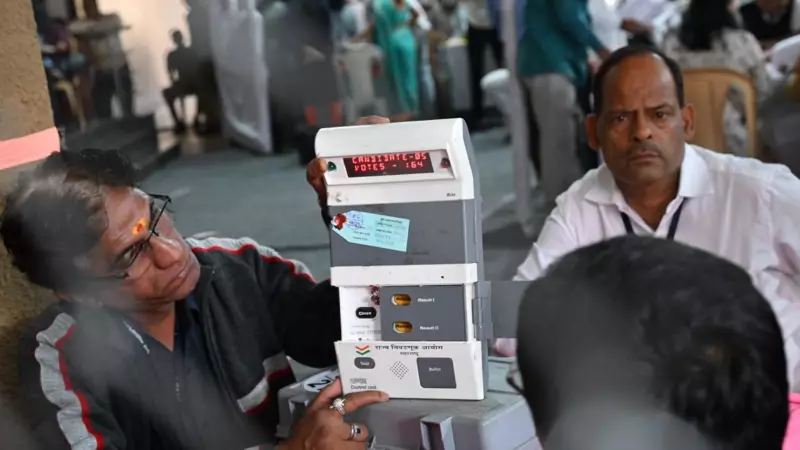
Officials confirmed that technical problems with electronic voting machines caused significant delays in at least ten corporator constituencies. The civic administration deployed an older version of EVMs for these elections, different from the automatic machines used during the 2024 legislative elections.
These older machines require manual connection between control units and ballot units to generate results. A senior BMC official explained that this manual process led to technical glitches in several counting centers, forcing temporary halts in the counting process.

Wards in Ghatkopar, Kurla, Mankhurd, and Govandi in Mumbai's eastern suburbs were among the most affected areas. In some locations, machines displayed vote margins that exceeded the total number of votes polled, creating confusion and necessitating intervention from election authorities.
Recount Demands Further Slow the Process
As counting progressed through the day, candidates in multiple wards raised objections and demanded recounts of votes. Each recount request required counting teams to pause their work and address the concerns before proceeding to the next constituency.
One particularly problematic case occurred in Ward 194 in Worli, where repeated recount requests created a chain reaction of delays. This single ward's issues subsequently affected neighboring wards 195 through 199, with counting continuing there until late evening.
Opposition leaders criticized the ruling administration over these delays, questioning the handling of the counting process and raising concerns about transparency. Election officials maintained that they addressed issues as they arose and followed established procedures throughout.
New Counting Method Adds to Complications
The civic administration introduced a new counting method for this year's elections. Additional Municipal Commissioner Ashwini Joshi, overseeing the election process, had announced that votes would be counted in batches.
Unlike the 2017 elections when counting occurred simultaneously, this year's process proceeded in phases across 23 locations. Each returning officer handled a minimum of ten constituencies, moving to the next set only after completing counting in the first two.
Officials explained that this system caused particular delays when candidates demanded recounts. "If a recount is demanded, the counting team cannot move to the next constituency until the process is completed," an official stated. "In several wards, candidates sought recounts multiple times, which held up the entire chain."
Late Start Compounds Existing Problems
The counting process began with a delayed start on Friday morning, adding to the day's challenges. While polling ended at 5:30 pm on Thursday, counting commenced only at 10 am on Friday.
This marked a three-hour delay compared to the 2017 BMC elections when counting started at 7 am. Officials noted that paperwork and transportation of EVMs continued late into the night after polling, necessitating the later morning start.
"Usually there is a gap of one day between polling and counting, but this year the process was carried out back-to-back," an official explained. The combination of delayed start, technical glitches, and repeated recount demands significantly slowed the counting process across Mumbai.
Partial Resolution as Evening Progressed
By 8 pm on Friday, the State Election Commission allowed results to be declared for eight of the affected constituencies based on available figures. Counting in the remaining two wards remained withheld pending further resolution.
The counting of votes for all 227 seats took place at 23 counting centers across Mumbai. Despite the numerous challenges, election officials maintained that they worked systematically to complete the process following all established guidelines and protocols.