

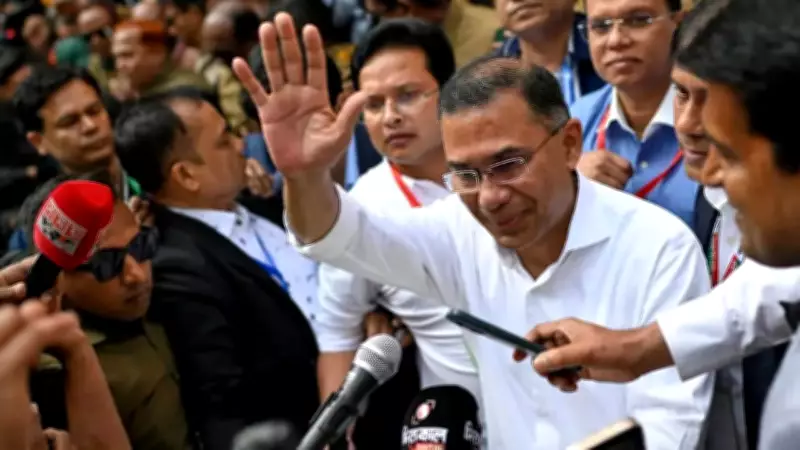
BNP Achieves Decisive Victory in Bangladesh Parliamentary Election
The Bangladesh Nationalist Party (BNP), led by Tarique Rahman, has secured a commanding lead in the country's first national election since the 2024 'July Uprising' that ousted long-time Prime Minister Sheikh Hasina. As vote counting progressed on Thursday, the BNP was cruising toward the halfway mark of 150 seats in the 300-member parliament.
Landslide Lead Over Rivals
By midnight, the BNP had won 120 parliamentary seats and was leading in 55 more, giving it an unassailable advantage over its main rival, the hardline anti-India Jamaat-e-Islami party and its allies, who were trailing with just 38 seats. This outcome positions the BNP to form the next government, replacing the Muhammad Yunus-led interim administration that took charge after the collapse of the Awami League government.
Notably, the Awami League was banned from contesting this election, marking the first time in 30 years that its traditional symbol, the boat, was absent from ballot papers. The election saw a relatively low voter turnout of just 47%, reflecting possible voter fatigue or disengagement following recent political turmoil.

Tarique Rahman's Political Ascendancy
BNP chairman Tarique Rahman, who contested from both Bogra and Dhaka-17 constituencies, won decisively in both races. This dual victory solidifies his position as the likely next Prime Minister of Bangladesh. Political analysts suggest this outcome is one that neighboring India can accept, given the BNP's recent diplomatic overtures.
Historically, the BNP has maintained an unfriendly stance toward India, largely in contrast to the Awami League's traditionally friendly relations with New Delhi. However, the party has significantly mellowed its hostility in recent years. A key turning point came when Indian Foreign Minister S. Jaishankar attended the funeral of former Prime Minister Khaleda Zia in Dhaka last year, establishing a direct channel of communication between India and the BNP leadership.
Regional Implications and Future Governance
The election results represent a significant political realignment in South Asia. The BNP's victory ends the long political dominance of the Awami League and introduces a new era of governance under Tarique Rahman's leadership. Observers will be watching closely to see how the new government navigates domestic challenges while managing regional relationships, particularly with India.
The interim government led by Nobel laureate Muhammad Yunus, which had been overseeing the transition since the Awami League's collapse, will now hand over power to the democratically elected BNP administration. This transition marks a critical moment in Bangladesh's political evolution following the dramatic events of the 2024 July Uprising.






