

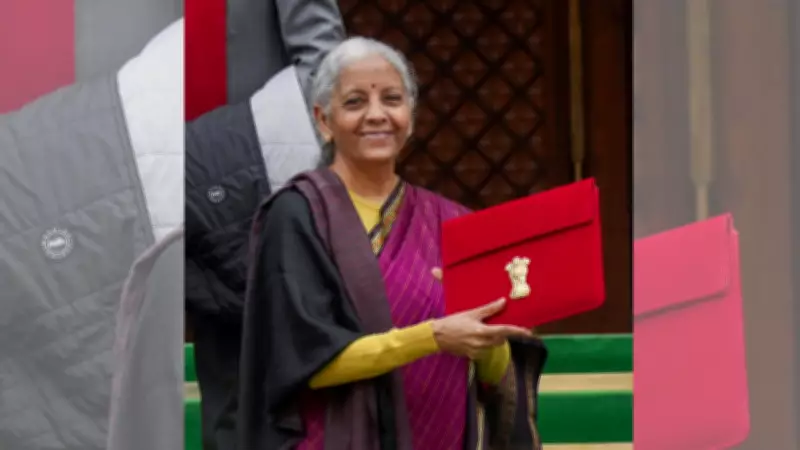
Budget 2026: India's Symbolic Evolution from Colonial Briefcase to Digital Bahi-Khata
As India readies for the Union Budget 2026, national attention intensifies not only on fiscal discipline, tax reforms, and expenditure priorities but also on the powerful visual symbolism that accompanies Budget Day. The iconic moment when the finance minister enters Parliament with the distinctive red Budget file has transformed from a colonial relic into a consciously crafted Indian emblem, reflecting the nation's evolving identity and governance philosophy.
The Colonial Legacy: British Traditions in Indian Budgets
For decades, Indian finance ministers adhered to a practice inherited directly from British parliamentary traditions. The customary red leather briefcase, used to transport crucial Budget documents, represented more than mere practicality. In the United Kingdom, the color red has long been associated with authority and officialdom, while the very term "Budget" traces its linguistic roots to the French word 'bougette', meaning a small leather bag. This colonial convention established a visual continuity that persisted through numerous Budget presentations, creating a familiar ritual that signaled the annual financial planning exercise.
A Historic Break: The 2019 Bahi-Khata Revolution
The symbolic continuity experienced a dramatic rupture in 2019 when Finance Minister Nirmala Sitharaman presented her inaugural Budget. Instead of the traditional British-style briefcase, she carried a red bahi-khata – a cloth-bound ledger with deep roots in Indian commercial history. Historically used by traders and merchants across the subcontinent to maintain meticulous accounts, the bahi-khata represented a deliberate departure from colonial-era symbolism.

This conscious shift was widely interpreted as a meaningful attempt to ground Budget traditions in indigenous culture rather than inherited British customs. The move signaled a broader governmental effort to Indianise the optics of governance, creating visual markers that resonate with domestic historical narratives and cultural practices.
Digital Transformation Meets Traditional Imagery
Even as the Budget process itself has undergone significant modernization, the symbolic elements have been carefully preserved. Since 2021, Budget presentations have transitioned to a completely paperless format, with the finance minister utilizing a digital tablet instead of physical documents. However, in a fascinating blend of tradition and technology, the tablet continues to be carried within a red pouch, maintaining the visual ritual associated with Budget Day.
This thoughtful integration of digital tools with traditional imagery reflects a nuanced transition in governance – thoroughly modern in function yet comfortingly familiar in form. The preservation of the red element creates continuity even as the physical objects evolve, demonstrating how symbolic practices can adapt to technological advancements without losing their cultural resonance.
Why the Red File Endures: Symbolism Beyond Utility
Over time, the red Budget file has transcended its practical function as a document holder to become a powerful national symbol. Its appearance signals the imminent unveiling of decisions that will shape:
- Taxation policies affecting millions of citizens
- Welfare schemes and social programs
- Infrastructure spending and economic direction
- National priorities and development trajectories
The color red holds particular cultural significance in India, commonly associated with prosperity, auspicious beginnings, and ceremonial importance. This cultural resonance reinforces the Budget's significance beyond its technical economic details, connecting governmental processes with deeper cultural meanings that resonate with the Indian public.
As India approaches Budget 2026, this symbolic journey from colonial briefcase to digital bahi-khata represents more than just changing accessories. It embodies the nation's ongoing negotiation between historical influences and contemporary identity, between global practices and indigenous traditions, creating visual narratives that speak to India's unique position in the modern world.






