

Parliament's Budget Session Set to Reconvene on March 9 Amid Political Tensions
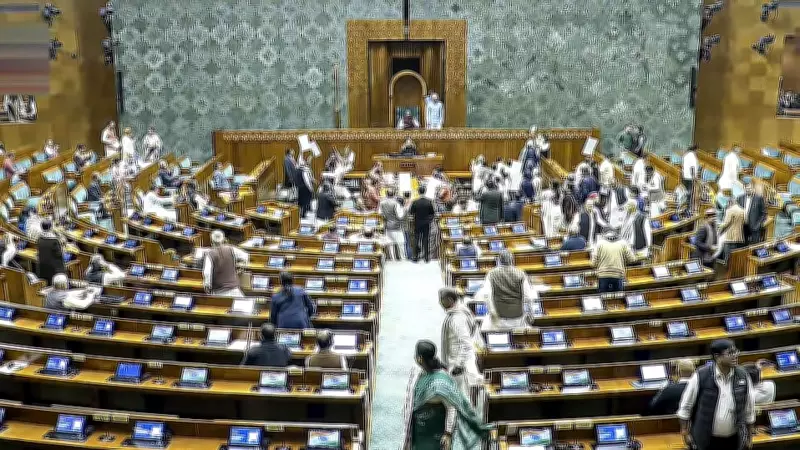
The Budget session of the Indian Parliament is scheduled to resume on March 9, 2026, marking a critical phase in the legislative calendar. This resumption comes at a time of heightened political activity, with the Opposition gearing up to challenge the current leadership in the House.
Opposition to Introduce Resolution for Removal of Speaker Om Birla
In a significant move, the Opposition parties have announced their intention to table a resolution calling for the removal of Lok Sabha Speaker Om Birla. This development is expected to dominate the initial proceedings of the session, reflecting ongoing disputes over parliamentary conduct and governance issues. The resolution underscores the deepening political rift and could lead to intense debates on the floor of the House.
Government's Legislative Agenda: Electricity Amendment Bill and Pending Bills
Amidst the political maneuvering, the government is poised to advance its legislative priorities during the remainder of the Budget session. Key among these is the Electricity Amendment Bill, which aims to reform the power sector by introducing measures to enhance efficiency, promote renewable energy, and address regulatory challenges. Officials indicate that this bill will be a focal point, alongside other pending legislative business that has been delayed due to previous disruptions.

The session is also expected to address various other bills that are crucial for economic and social policies, ensuring that parliamentary work progresses despite the anticipated confrontations. The government's strategy involves balancing contentious political issues with substantive law-making to maintain momentum on its reform agenda.
Broader Implications for Indian Politics and Governance
The resumption of the Budget session holds broader implications for India's political landscape and governance framework. The Opposition's push against Speaker Om Birla highlights concerns over parliamentary decorum and the functioning of democratic institutions. Simultaneously, the government's focus on bills like the Electricity Amendment Bill signals its commitment to advancing key reforms, even in a charged political environment.
As the session unfolds, stakeholders from across the political spectrum will be closely monitoring developments, with potential impacts on policy outcomes and inter-party relations. The interplay between legislative action and political disputes is set to define this phase of Parliament's work, shaping the trajectory of national discourse in the coming weeks.






