Ritual, Nation, and the Politics of Belonging: A Critical Examination
In contemporary India, the discourse surrounding patriotism and national identity has intensified, sparking debates about what it truly means to belong to the nation. An opinion piece recently highlighted a crucial perspective: resisting compulsory patriotism is not an act of disloyalty. Instead, it serves as a defense of a deeper, more inclusive idea of India—one rooted in democratic principles and pluralism.
The Illusion of Forced Unity
The argument posits that a democracy is not strengthened when everyone is forced to sing the same song. This metaphor underscores the danger of imposing uniform expressions of loyalty, which can stifle dissent and marginalize diverse voices. In a country as vast and varied as India, with its multitude of languages, cultures, and beliefs, such coercion risks undermining the very fabric of unity it seeks to promote.
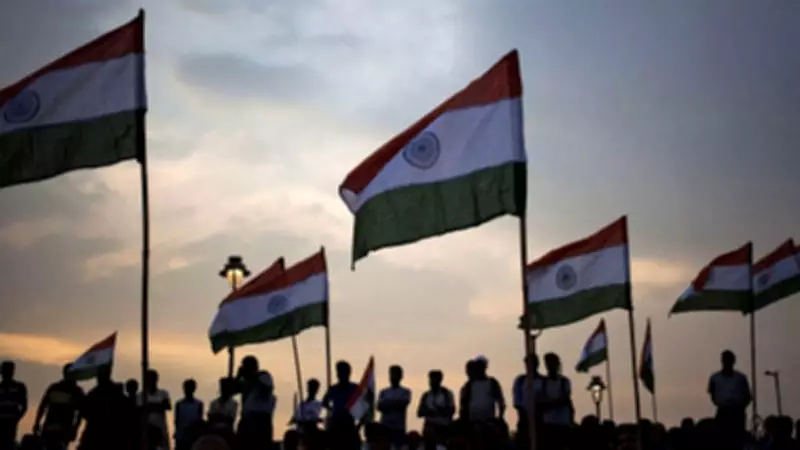
Historical and cultural contexts reveal that India's strength has always lain in its ability to accommodate differences. From the freedom struggle to the framing of the Constitution, the nation has embraced a vision where patriotism is voluntary and heartfelt, not mandated by state or societal pressure. Compulsory rituals, whether in the form of anthem singing or flag hoisting, can transform into empty gestures that dilute genuine affection for the country.

Defending Democratic Ideals
By challenging forced patriotism, individuals and groups are not rejecting India but advocating for a more robust democracy. This stance aligns with constitutional values that protect freedom of expression and conscience. It emphasizes that true loyalty emerges from critical engagement and participation, not blind conformity.
- Diversity as Strength: A nation where citizens are free to express their patriotism in varied ways is more resilient and innovative.
- Inclusive Belonging: Policies that respect individual choices foster a sense of belonging that transcends ritualistic compliance.
- Democratic Health: Encouraging debate and dissent ensures that national identity evolves organically, reflecting the people's will.
In conclusion, the politics of belonging in India must navigate the delicate balance between national pride and personal freedom. Resisting compulsory patriotism is a courageous act that upholds the essence of democracy, reminding us that a nation's greatness is measured by its capacity to embrace all its citizens, not by enforcing uniformity.