Congress Launches Scathing Attack on PM Modi Over US Trade Deal and Parliament Conduct
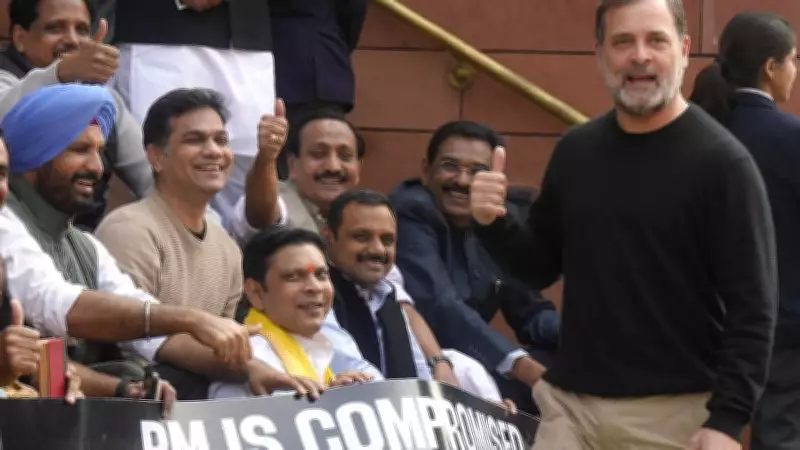
In a dramatic escalation of political tensions, the Indian National Congress has launched a blistering attack on Prime Minister Narendra Modi, accusing him of "compromising" India's national interests in ongoing US trade negotiations and displaying what they characterize as fear in facing parliamentary scrutiny. The controversy has ignited a fresh wave of political confrontation between the ruling Bharatiya Janata Party (BJP) and the principal opposition party.
"You Were Scared to Come to the House": Congress Levels Serious Allegations
The Congress party's accusations center on what they describe as the Prime Minister's avoidance of parliamentary accountability regarding sensitive international agreements. "You were scared to come to the House," Congress leaders asserted, suggesting that Modi has been reluctant to engage in transparent discussions about the terms and implications of the proposed trade deal with the United States. This allegation strikes at the heart of parliamentary democracy, where the executive is expected to be answerable to the legislature on matters of national importance.
The opposition party contends that the government's approach to the US trade negotiations lacks transparency and could potentially undermine India's economic sovereignty. They argue that without proper parliamentary oversight and debate, the agreement might contain provisions that are not in the country's long-term interest, particularly concerning agricultural products, intellectual property rights, and market access.

Modi's Meerut Speech Sparks Controversy Over Protest Tactics
The political firestorm was further fueled by Prime Minister Modi's recent address in Meerut, where he directly targeted the Congress party's protest methods. During his speech, Modi criticized Congress women Members of Parliament for leading protests against the government in the Lok Sabha, and took particular aim at Youth Congress activists who staged what he described as a "shirtless" protest during the recently concluded Artificial Intelligence Summit.
Modi characterized these protest tactics as inappropriate and unbecoming of a mainstream political party, suggesting they reflected desperation rather than substantive political critique. His remarks have been interpreted as an attempt to delegitimize the opposition's methods of expressing dissent and holding the government accountable.
Congress Fires Back: Defending Protest as Democratic Right
In response to Modi's criticism, Congress leaders have vigorously defended their right to protest, framing it as an essential component of democratic expression. They argue that their demonstrations, both inside and outside Parliament, are legitimate responses to what they perceive as the government's failure to address pressing national issues and its alleged disregard for parliamentary norms.
The party has particularly emphasized the role of women MPs in leading parliamentary protests, presenting this as evidence of their commitment to inclusive leadership and gender equality in political activism. Regarding the Youth Congress protest at the AI Summit, Congress representatives have stated that such actions are necessary to draw attention to youth concerns in an era of rapid technological change.
Broader Political Context: Escalating BJP-Congress Confrontation
This latest exchange occurs against a backdrop of intensifying political rivalry between the BJP and Congress, with both parties positioning themselves for upcoming electoral battles. The US trade deal has emerged as a significant point of contention, with opposition parties questioning whether the government is negotiating from a position of strength or making excessive concessions.
Political analysts suggest that the Congress party's aggressive stance reflects a strategic attempt to reclaim political initiative and position itself as a vigilant guardian of national interests. By framing the issue around transparency, parliamentary accountability, and national sovereignty, Congress aims to appeal to voters concerned about economic nationalism and democratic processes.

The BJP, meanwhile, has dismissed the accusations as politically motivated obstructionism, asserting that the government is pursuing trade agreements that will benefit the Indian economy and create opportunities for growth and employment. They have characterized Congress protests as theatrical distractions from substantive policy discussions.
Looking Ahead: Implications for Parliamentary Functioning and Foreign Policy
This confrontation raises important questions about parliamentary decorum, the boundaries of political protest, and the process of ratifying international agreements in India's democratic system. As the debate continues, several key issues remain unresolved:
- The specific terms of the proposed US-India trade agreement and their potential impact on various sectors of the Indian economy
- The appropriate balance between executive authority in foreign policy and parliamentary oversight of international commitments
- The evolving norms of political protest in India's parliamentary democracy
- The role of opposition parties in scrutinizing government actions on matters of national importance
The controversy shows no signs of abating, with both parties digging in for what appears to be an extended political battle over fundamental questions of governance, accountability, and national interest.