

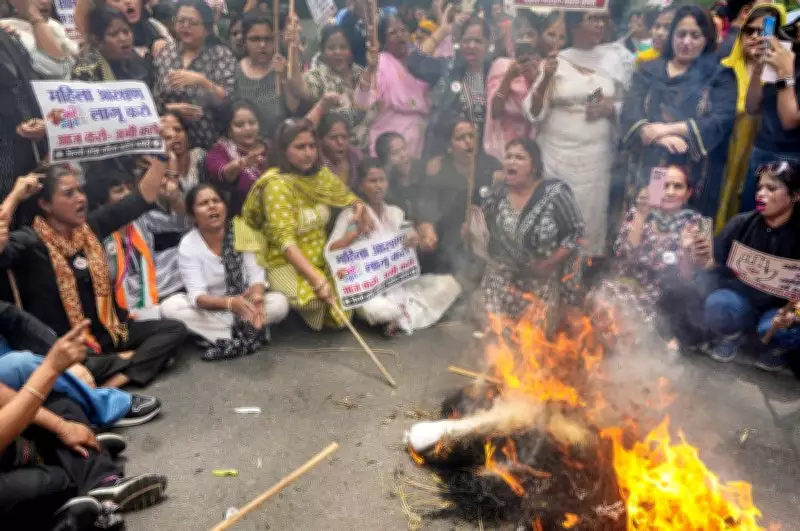
Congress Party Demands Immediate Implementation of Women's Reservation Law
The Congress party has escalated its political campaign by demanding the immediate implementation of the women's reservation law based on the current strength of the Lok Sabha. This demand comes amidst growing pressure on the ruling Bharatiya Janata Party (BJP) to fulfill its promises regarding gender representation in Parliament.
March to BJP Office Highlights Political Tensions
In a significant show of protest, Congress leaders and supporters organized a march to the BJP office to voice their demands. The march, which drew attention from media and public alike, underscored the deepening political tensions over the delayed implementation of the women's quota legislation. Participants carried placards and chanted slogans, calling for swift action to ensure women's representation in the highest legislative body of India.
Key Demands and Legislative Context
The Congress party's primary demand is that the women's reservation law, which aims to allocate 33% of seats in the Lok Sabha and state legislative assemblies for women, should be implemented without further delay. They argue that using the current Lok Sabha strength of 543 members is feasible and necessary to promote gender equality in politics. This law, often referred to as the Women's Reservation Bill, has been a contentious issue in Indian politics for decades, with various parties supporting it in principle but differing on implementation details.

The demand and subsequent march have significant political implications, as they put the BJP government on the spot regarding its commitment to women's empowerment. Public response has been mixed, with some groups applauding the Congress for taking a stand, while others question the timing and motives behind the protest. Analysts suggest that this move could influence upcoming elections and shape voter perceptions on gender issues.
Historical Background and Future ProspectsThe women's reservation law has a long history in India, with initial proposals dating back to the 1990s. Despite bipartisan support in theory, practical implementation has been stalled due to political disagreements and procedural hurdles. The Congress party's current push aims to break this deadlock by leveraging the existing Lok Sabha framework. Looking ahead, the outcome of this demand could set a precedent for how gender quotas are handled in Indian democracy, potentially leading to increased female participation in governance.

- Demand for implementation based on current Lok Sabha strength of 543 members.
- Protest march to BJP office to highlight the issue.
- Focus on promoting 33% reservation for women in Parliament.
- Political tensions rise as Congress challenges BJP on gender representation.
- Potential impact on future elections and public opinion.





