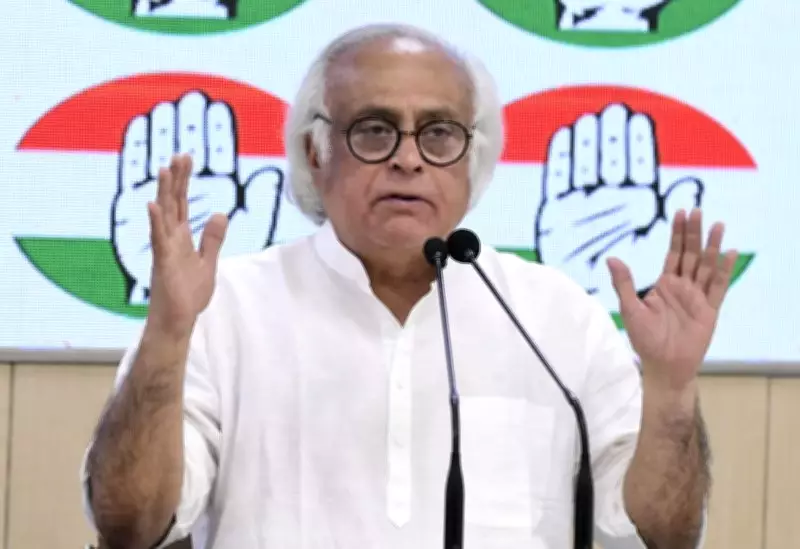
Congress Slams Government Over Women's Reservation Bill, Alleges Devious Motives
The Congress party has launched a sharp critique against the government regarding the Nari Shakti Vandan Adhiniyam, commonly known as the Women's Reservation Bill. In a strongly worded statement, the opposition party labeled the government's intent as mischievous and described the content of the bill as devious. This accusation comes amid ongoing political debates over the legislation aimed at increasing women's representation in legislative bodies.
Allegations of Political Manipulation
According to Congress leaders, the bill's provisions are designed to serve political interests rather than genuinely empower women. They argue that the timing and structure of the legislation suggest a calculated move to gain electoral advantages, rather than a sincere effort to address gender disparities in politics. The party has pointed to specific clauses that, in their view, could be exploited to manipulate outcomes in future elections.
Historical Context and Current Debates
The Women's Reservation Bill has been a long-standing issue in Indian politics, with previous attempts to pass it facing significant hurdles. The current version, introduced by the government, has sparked renewed controversy. Critics, including the Congress, claim that it lacks transparency and fails to incorporate feedback from various stakeholders, including women's rights groups and opposition parties.

Key points of contention include:
- Implementation delays: The bill proposes a phased approach that some argue could postpone actual benefits for years.
- Reservation criteria: Concerns have been raised about how seats will be allocated and whether it will truly benefit women from marginalized communities.
- Political will: The Congress questions the government's commitment, suggesting that the bill is more about optics than substantive change.
Government's Defense and Response
In response to the accusations, government representatives have defended the bill as a historic step towards gender equality. They emphasize that the legislation is part of a broader agenda to empower women and ensure their participation in decision-making processes. Officials have dismissed the Congress's claims as politically motivated, arguing that the opposition is attempting to derail progress for partisan gains.
Supporters of the bill highlight:
- Its potential to increase women's representation in Parliament and state assemblies.
- The alignment with global trends towards gender parity in politics.
- Positive feedback from some women's organizations and activists.
Implications for Future Politics
The controversy surrounding the Nari Shakti Vandan Adhiniyam underscores deeper tensions in Indian politics regarding women's rights and legislative reforms. As debates continue, the outcome could influence not only the bill's passage but also public perception of political parties' commitment to gender issues. The Congress's allegations add fuel to an already heated discussion, with potential ramifications for upcoming elections and policy-making.
In summary, the Congress party's criticism of the Women's Reservation Bill as mischievous and devious reflects ongoing political strife over gender representation. While the government touts it as a milestone, opponents question its sincerity and effectiveness, setting the stage for further confrontations in the legislative arena.