

Congress MP Slams Modi Government Over 'Stand in Line' Scheme and Economic Hardships
In a sharp critique of the central government, Congress leader and Rajya Sabha MP Syed Naseer Hussain has dubbed Prime Minister Narendra Modi's policies as a "stand in line" scheme, highlighting the struggles faced by citizens in accessing essential goods.
Criticism of Government Policies and Public Panic
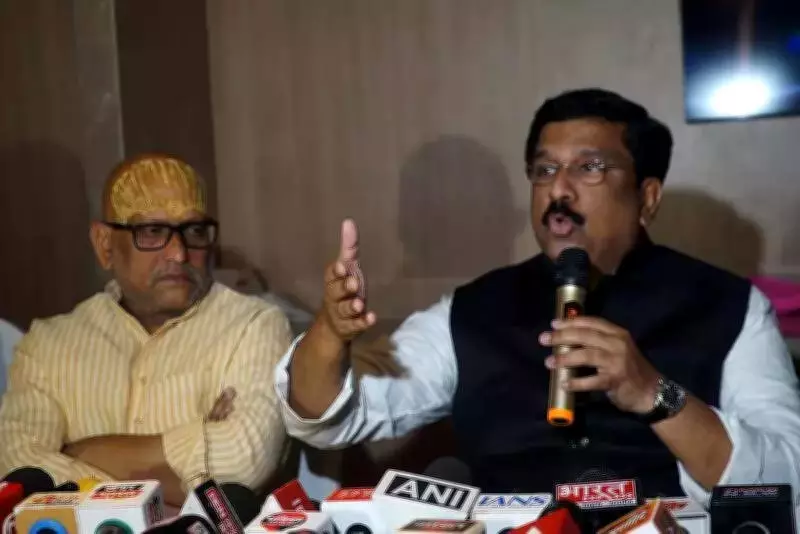
Speaking to reporters in Varanasi, Hussain accused the Centre of repeatedly making statements that create an atmosphere of panic across the nation. He pointed out that by issuing warnings about preparations similar to those during the Covid-19 pandemic without careful consideration, the government has once again instilled fear among the public.
Hussain emphasized, "In New India, people are forced to stand in queues for essentials like fuel, gas cylinders, fertilizers, and ration. This reflects a failure in governance and economic management."

Economic Challenges and Rising Prices
The Congress leader detailed the economic difficulties faced by the common man, noting an unprecedented rise in the prices of essential commodities over the last two weeks. He attributed this inflation to broader economic instability.
Hussain explained, "The Indian rupee has hit an all-time low, largely due to escalating tensions between Iran, Israel, and the US. This geopolitical strife has made imported goods, especially oil, more expensive, directly impacting the general public. The government has failed on the economic front to mitigate these effects."
Ground Reality in Varanasi: Development vs. Advertisements
Despite Varanasi being Prime Minister Narendra Modi's parliamentary constituency, Hussain claimed that the people of Kashi are still struggling for basic amenities. He argued that while development in the region is prominently showcased in advertisements, the actual ground reality paints a different picture.
Key points raised by Hussain include:
- Long queues for essential items like fuel and ration, indicating systemic issues in supply chains.
- Economic policies that have not shielded citizens from global market fluctuations, particularly in oil prices.
- A disconnect between projected development in Varanasi and the lived experiences of its residents.
Hussain's comments come amid ongoing global tensions, such as the Israel-Iran conflict and strategic maneuvers in the Strait of Hormuz, which he linked to domestic economic woes. He concluded by urging the government to address these pressing issues rather than relying on rhetoric that fosters public anxiety.






