

Congress Addresses Rumors of No-Confidence Motion Against Lok Sabha Speaker
In a significant development within India's political landscape, the Congress party has responded to emerging reports suggesting that the Opposition may table a motion of no confidence against Lok Sabha Speaker Om Birla. This potential move underscores the escalating tensions and procedural disputes that have characterized recent parliamentary sessions.
Venugopal Highlights Disruptions in Parliamentary Functioning
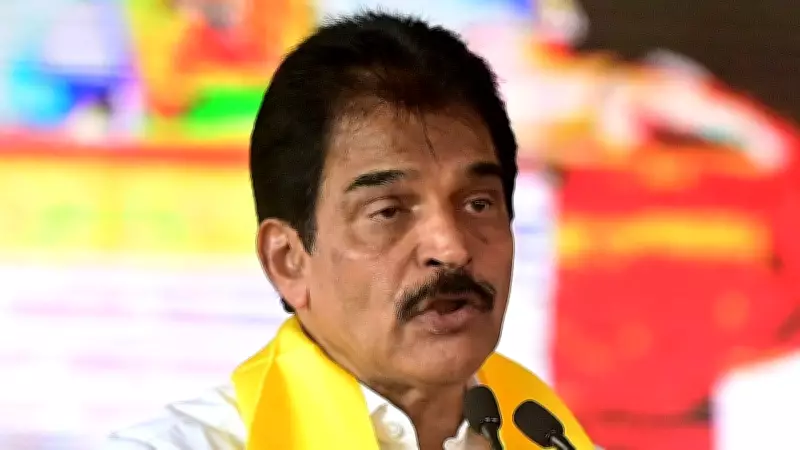
Congress leader K.C. Venugopal addressed the media regarding these reports, directly linking them to the ongoing disruptions in Parliament. He emphasized the contentious atmosphere, stating, "You see what is happening in Parliament. You can see in this session, the Leader of the Opposition, Rahul Gandhi, is not being allowed to speak anything in this House." This remark points to a broader narrative of alleged silencing of opposition voices, which the Congress claims is undermining democratic discourse.
The context of these statements is crucial. The current parliamentary session has been marked by frequent adjournments and heated exchanges, with the Opposition accusing the ruling party of stifling debate on key issues. Venugopal's comments suggest that the reported no-confidence motion is a direct consequence of these perceived obstructions to parliamentary norms and the role of the Speaker in maintaining order.

Implications for Parliamentary Democracy and Political Strategy
The possibility of a no-confidence motion against the Speaker is a rare and serious parliamentary maneuver, reflecting deep-seated disagreements over the conduct of House proceedings. Historically, such motions are seldom moved and signal a breakdown in consensus between the government and the opposition. If pursued, it could lead to a formal vote in the Lok Sabha, testing the strength of the ruling coalition and the Opposition's unity.
From a strategic perspective, this development highlights the Congress party's efforts to rally opposition forces and challenge the government's parliamentary tactics. By focusing on Rahul Gandhi's alleged inability to speak, Venugopal aims to galvanize public and political support around issues of free expression and institutional integrity. This aligns with broader opposition critiques of the current administration's approach to governance and legislative processes.
As of now, the reports remain unconfirmed, and it is unclear whether the Opposition will formally proceed with the motion. However, the discussion itself has already intensified political debates, with analysts watching closely for any official announcements or further statements from key figures. The outcome could have lasting effects on parliamentary decorum and the dynamics of Indian politics in the coming months.






