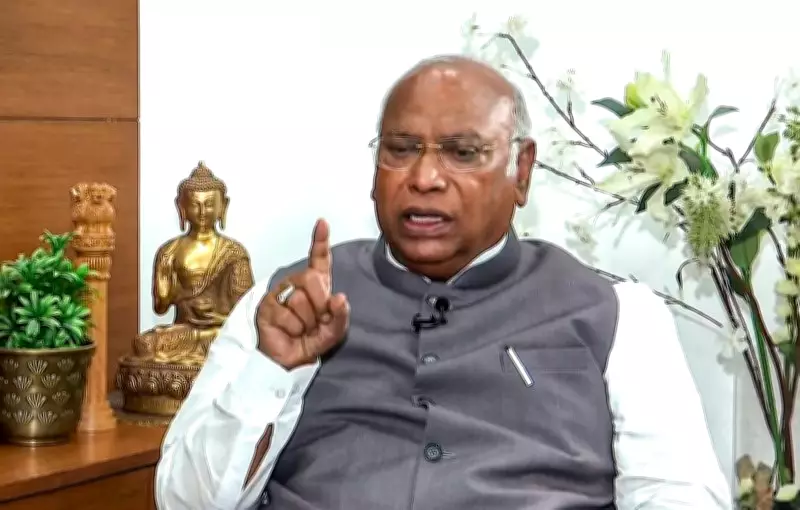
Congress Voices Opposition to Economic Survey's Call for RTI Act Review
The Congress party has raised significant objections to a recent proposal in the Economic Survey that advocates for a review of the Right to Information (RTI) Act. This development has sparked a heated debate in political circles, with the opposition party emphasizing the critical role of the RTI Act in promoting transparency and accountability within the government.
Background and Context of the Economic Survey's Proposal
The Economic Survey, an annual document presented by the government, typically outlines the state of the economy and suggests policy measures. In its latest edition, the survey included a pitch for reviewing the RTI Act, citing potential inefficiencies and the need for modernization. However, this suggestion has not been well-received by the Congress, which views the RTI Act as a cornerstone of democratic governance.
Congress's Stance on the Issue
Congress leaders have articulated their concerns, arguing that any move to review or dilute the RTI Act could undermine the fundamental rights of citizens to access information. They stress that the act has been instrumental in exposing corruption and ensuring that public authorities remain accountable to the people. The party has called for a more transparent approach, urging the government to focus on strengthening the implementation of the RTI Act rather than considering revisions that might weaken it.

Key Points from Congress's Objection:
- The RTI Act is a vital tool for empowering citizens and enhancing democratic processes.
- Any review should aim to bolster transparency, not restrict access to information.
- The government should prioritize addressing backlogs and improving RTI infrastructure.
Implications for Governance and Public Policy
This controversy highlights the ongoing tension between efficiency-driven reforms and the preservation of democratic safeguards. The Congress party's objection underscores the importance of maintaining robust mechanisms for public scrutiny in governance. As discussions continue, stakeholders from various sectors are likely to weigh in on the balance between administrative streamlining and the protection of transparency rights.
In summary, the Congress's strong opposition to the Economic Survey's RTI review pitch reflects a broader commitment to upholding transparency and accountability in India's political landscape.