

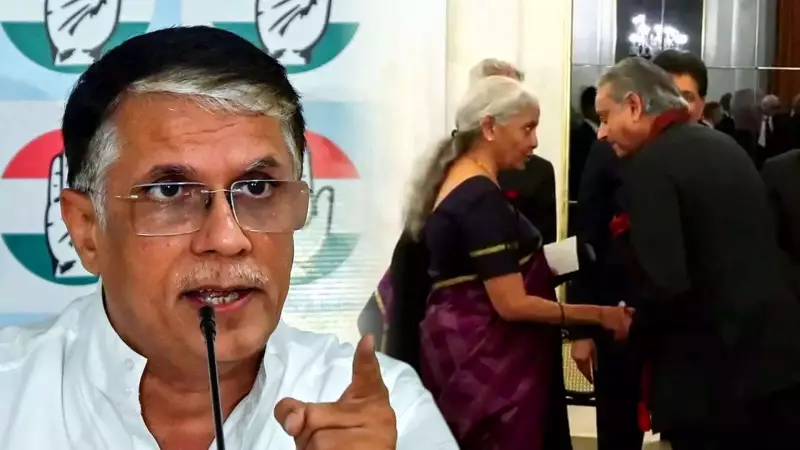
A state banquet hosted for Russian President Vladimir Putin has ignited a significant political firestorm, revealing deep fissures within the main opposition party. The conspicuous absence of senior Congress leaders Rahul Gandhi and Mallikarjun Kharge from the high-profile event, contrasted with the attendance of party colleague Shashi Tharoor, has triggered outrage and accusations of a deliberate snub by the government.
Absence of Top Leaders Sparks Accusations
The controversy erupted on December 06, 2025, following the grand dinner held in honour of President Putin. Rahul Gandhi launched a sharp critique against the ruling dispensation, accusing it of abandoning long-standing democratic traditions. He alleged that the Opposition was intentionally excluded from the diplomatic gathering, a move seen as undermining India's pluralistic political ethos.
The situation was further complicated by the confirmed presence of Congress MP Shashi Tharoor. This stark contrast—where the party's top leadership was missing but a prominent figure like Tharoor was present—fueled immediate internal dissent. Senior Congress spokesperson Pawan Khera publicly questioned both the nature of the invitation extended to Tharoor and his decision to accept it, highlighting the growing divide within the party ranks.

Tharoor's Presence Adds Fuel to Internal Fire
Tharoor's attendance at the banquet was viewed as particularly contentious given recent history. The MP has previously caused embarrassment for the Congress party through his independent articles and public statements on various issues. His appearance at the high-level diplomatic event, while the party president and its most prominent face were not invited, was seen by many insiders as a breach of collective propriety, sharpening the internal critique against him.
Visuals from the event, showing Tharoor engaging with senior Union ministers, only amplified the controversy. The Bharatiya Janata Party (BJP) swiftly defended the invitation, stating that Tharoor attended in his official capacity as the chairman of the Parliamentary Standing Committee on External Affairs. This justification, however, did little to quell the storm within the Congress, where the episode is perceived as a slight and a breach of political protocol.
Broader Implications for Party Unity and Protocol
This incident transcends a simple debate over a dinner invitation. It has brought to the forefront the persistent and deeper cracks within the Congress party, highlighting tensions between individual stature and party discipline. The episode raises critical questions about the political protocols observed during key state-level diplomatic events, especially concerning the inclusion of opposition leadership.
The fallout from the Putin banquet underscores a challenging phase for the Congress, where internal management of dissent and a cohesive public stance are under intense scrutiny. As the party grapples with this controversy, the focus remains on how it will navigate the delicate balance between allowing individual members their due recognition in official roles and maintaining a united political front against the government.






