Congress warns of 'environmental disaster' in Great Nicobar
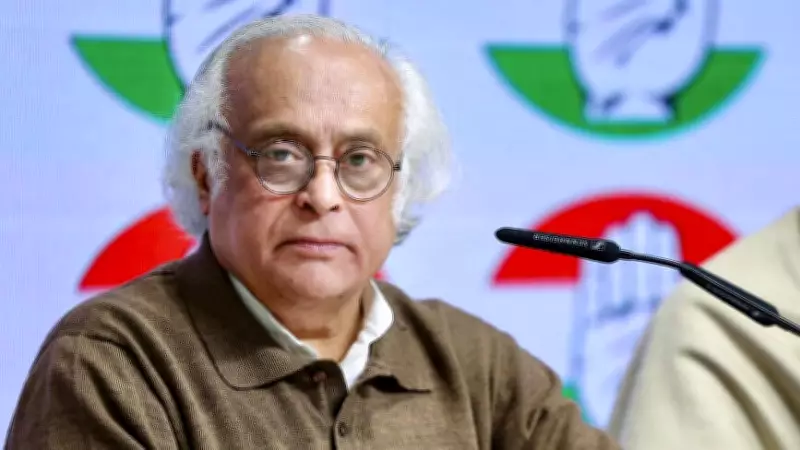
Congress leader and former environment minister Jairam Ramesh has accused Prime Minister Narendra Modi of marching the Great Nicobar Island towards an 'environmental disaster' through a massive development project. In a statement released on 2 July 2026, Ramesh detailed his public engagements over the past few years concerning the venture, highlighting its devastating impacts on the island's unique biodiversity-rich ecosystem.
Details of the project and its impacts
The Great Nicobar Island, part of the Andaman and Nicobar archipelago, is home to pristine rainforests, coral reefs, and endangered species such as the Nicobar megapode and leatherback turtles. The proposed project includes a transshipment port, an international airport, and a power plant, which Ramesh argues will irreversibly damage this fragile environment. According to Ramesh, the project threatens to destroy critical habitats and disrupt the livelihoods of indigenous Shompen and Nicobarese tribes.
Ramesh's long-standing opposition
Ramesh, who served as environment minister from 2009 to 2011, has been vocal against the project for years. He shared a series of letters, meetings, and public statements he made between 2022 and 2026, urging the government to reconsider. 'The PM is marching to an environmental disaster,' Ramesh said in his statement, emphasizing that the project violates environmental norms and lacks adequate impact assessments.

Government's stance and criticism
The central government has defended the project as essential for national security and economic development, citing its strategic location near the Malacca Strait. However, critics argue that the benefits are overstated and the costs to biodiversity and tribal communities are too high. Ramesh claimed that the government has ignored warnings from scientists and environmentalists, pushing ahead with construction despite legal challenges.
Environmental and social consequences
Ramesh highlighted that the project would involve large-scale deforestation, dredging, and construction, leading to soil erosion, loss of marine life, and increased carbon emissions. He also noted that the indigenous communities have not been adequately consulted, violating their rights under the Forest Rights Act. 'This is not development; it is destruction,' Ramesh asserted, calling for an immediate halt to the project.
Political backlash and future outlook
The Congress party has seized on the issue to criticize the Modi government's environmental record. Ramesh's statement comes ahead of the 2027 general elections, with the opposition aiming to mobilize voters concerned about climate change and ecological conservation. The government has yet to respond to Ramesh's latest allegations, but the project remains a contentious point in India's development versus conservation debate.