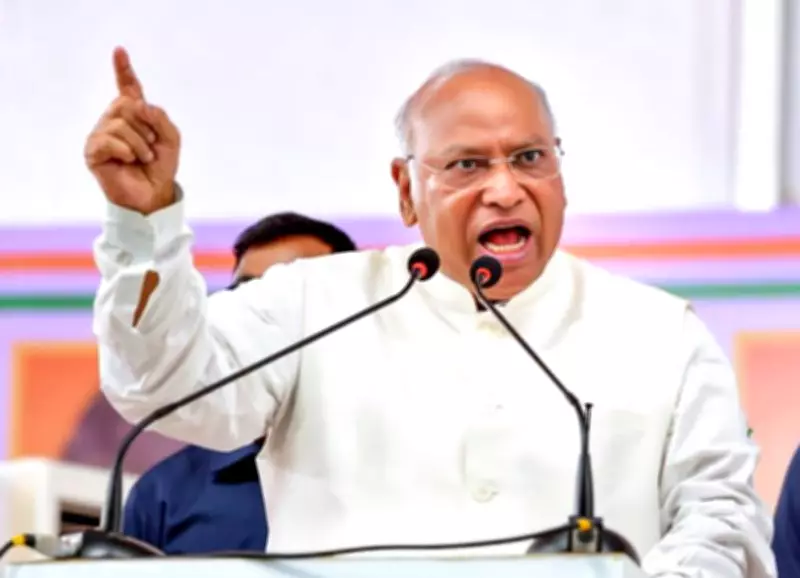
Congress president Rahul Gandhi on Thursday accused the government of pushing anti-worker labour codes after the 2019 general elections, alleging that the Modi administration deliberately delayed the implementation to avoid political backlash during the polls.
Labour Codes Under Scrutiny
The Congress chief said that the three labour codes—on industrial relations, social security, and occupational safety—were passed in Parliament but their rules were notified only after the elections. He claimed this was a deliberate strategy to push through anti-worker provisions without facing electoral consequences.
Government's Response
The government, however, defended the labour codes, stating they are aimed at simplifying and modernizing labour laws, promoting ease of doing business, and ensuring better compliance. Officials argued that the codes provide for increased wages, social security, and improved working conditions for employees.

Rahul Gandhi countered that the codes dilute protections for workers, including provisions on fixed-term employment, which he said would lead to job insecurity. He also criticized the lack of consultation with trade unions and workers' representatives before finalizing the rules.
Political Implications
The labour codes have become a contentious issue in Indian politics, with opposition parties accusing the government of favoring corporate interests over workers' rights. The Congress president's remarks come ahead of upcoming state elections, where labor issues are expected to feature prominently.
Trade unions have also opposed the codes, organizing nationwide strikes and protests. They demand the withdrawal of the codes and the restoration of earlier labour protections.
Way Forward
As the debate intensifies, the government has indicated willingness to discuss concerns but remains firm on the codes' implementation. The Congress has promised to repeal the codes if voted to power, vowing to bring in more worker-friendly legislation.