Congress Leaders Dismiss Shakeel Ahmad's Allegations Against Rahul Gandhi
Former Congress leader Dr Shakeel Ahmad has ignited a significant political controversy with his recent statements criticizing the party's internal functioning and leadership dynamics. The veteran politician, who previously served as a prominent member of the Congress party, has made serious allegations that have drawn sharp reactions from across the political spectrum.
Ahmad's Controversial Claims About Congress Leadership
In his detailed critique, Dr Shakeel Ahmad specifically targeted Rahul Gandhi's leadership style and the overall democratic processes within the Congress party. He asserted that the party suffers from a fundamental lack of internal democracy, with key decisions being predominantly controlled by the Gandhi family rather than through collective consultation processes.
The former Congress leader made several specific allegations:

- Rahul Gandhi allegedly seeks to marginalize senior party leaders who do not view him as their ultimate authority
- The Congress president is reportedly uncomfortable with veteran leaders who maintain independent perspectives
- Party decisions are primarily made by the Gandhi family rather than through democratic internal processes
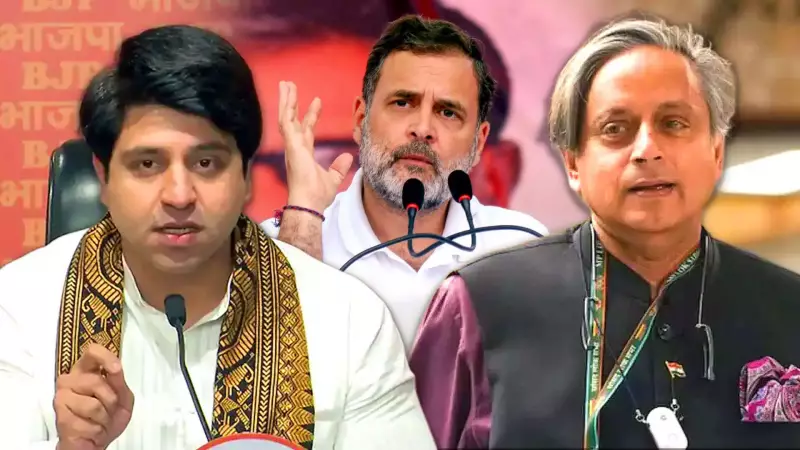
- During the Congress presidential election, Ahmad claims he was pressured to vote for Mallikarjun Kharge instead of his preferred candidate, Shashi Tharoor
Congress Leaders Mount Strong Defense
Senior Congress leaders have responded swiftly and firmly to counter Ahmad's allegations. Prominent party representatives including Pramod Tiwari, Udit Raj, and Prem Chand Mishra have categorically rejected the former leader's claims about the party's internal functioning.
"The Congress party has always encouraged diverse viewpoints and democratic discussions," stated one senior leader while addressing the media. "Dr Ahmad's remarks do not reflect the reality of our party's internal processes or our commitment to democratic values."
The defending Congress leaders emphasized that the party maintains robust mechanisms for internal discussion and decision-making, contradicting Ahmad's portrayal of centralized control. They maintained that differing opinions are regularly accommodated within the party's democratic framework.
BJP Seizes Opportunity for Political Attack
The Bharatiya Janata Party has capitalized on the controversy to launch fresh criticism against the Congress leadership. BJP representatives have interpreted Ahmad's statements as evidence of deeper structural problems within the opposition party.
BJP leaders have made several pointed observations:
- Rahul Gandhi's leadership reflects insecurity and a need for control over decision-making processes
- The Congress party's internal democracy has been systematically eroded under current leadership
- Ahmad's revelations indicate the beginning of a significant internal revolt within Congress ranks
- The controversy exposes fundamental flaws in the opposition party's organizational structure
BJP spokespersons have characterized the situation as symptomatic of broader unrest within the Congress organization, suggesting that more such revelations might emerge in the coming days. The ruling party has positioned the controversy as validation of their long-standing criticism of Congress leadership dynamics.
Political Implications and Future Ramifications
This controversy emerges at a crucial political juncture and highlights ongoing tensions within India's principal opposition party. The public airing of internal disagreements by a former senior leader raises questions about party unity and leadership acceptance.
The episode also demonstrates how internal party matters can quickly become ammunition for political opponents in India's competitive democratic landscape. As both Congress and BJP leaders continue to exchange statements on the matter, political observers are watching closely to see how this affects party dynamics and public perception ahead of future electoral contests.

The controversy surrounding Dr Shakeel Ahmad's remarks has undoubtedly opened a new front in the ongoing political discourse, with implications that extend beyond immediate reactions to touch upon fundamental questions about internal democracy, leadership styles, and party organizational structures in Indian politics.