Congress Launches Scathing Attack on Modi Government Over US Trade Agreement
In a sharp political critique, the Indian National Congress has accused the Narendra Modi-led government of securing a disadvantageous trade deal with the United States, framing it as a "no deal but US steal" scenario. The opposition party alleges that despite official claims of mutual benefit, the agreement heavily favors American interests at India's expense.
Jairam Ramesh Leads the Charge Against Government's Trade Narrative
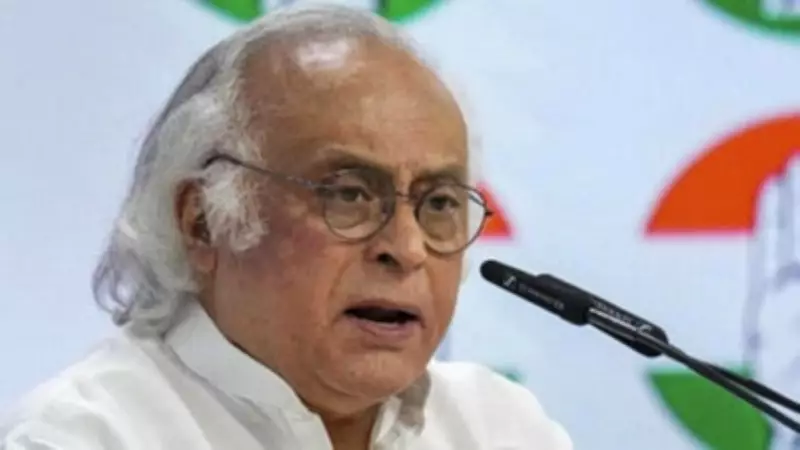
Congress general secretary in-charge of communications, Jairam Ramesh, spearheaded the criticism, dismissing the government's portrayal of the Indo-US trade pact as a success. He asserted that regardless of the spin from the "PM and his lie-brigade," the hard reality remains that the United States has extracted more concessions from India than it has offered in return. This statement underscores a deepening political rift over India's foreign economic policies.
Allegations of Imbalanced Negotiations and Economic Consequences
The Congress party contends that the trade agreement, negotiated under the Modi administration, fails to protect India's core economic interests. They argue that key sectors, such as agriculture, technology, and manufacturing, may face adverse impacts due to what they describe as one-sided terms. This criticism comes amid ongoing debates about India's trade strategy and its implications for domestic industries and job creation.

Political Fallout and Public Discourse
The accusations have ignited a heated political discourse, with the Congress positioning itself as a watchdog against perceived governmental failures in international diplomacy. Ramesh's remarks aim to challenge the narrative of the Modi government's diplomatic achievements, particularly in bolstering India's global trade partnerships. This development highlights the escalating tensions between the ruling party and the opposition as both sides vie for public trust on economic matters.
Broader Implications for India-US Relations
While the trade agreement is intended to strengthen bilateral ties between India and the United States, the Congress's criticism raises questions about its long-term sustainability and fairness. Analysts suggest that such political controversies could influence future negotiations and public perception of India's engagement with major global economies. The episode reflects the complex interplay between domestic politics and international trade dynamics.
As the debate unfolds, stakeholders are closely monitoring the government's response and the potential impact on India's economic policies. The Congress's stance signals a continued focus on holding the administration accountable for its trade decisions, ensuring that national interests remain at the forefront of diplomatic engagements.