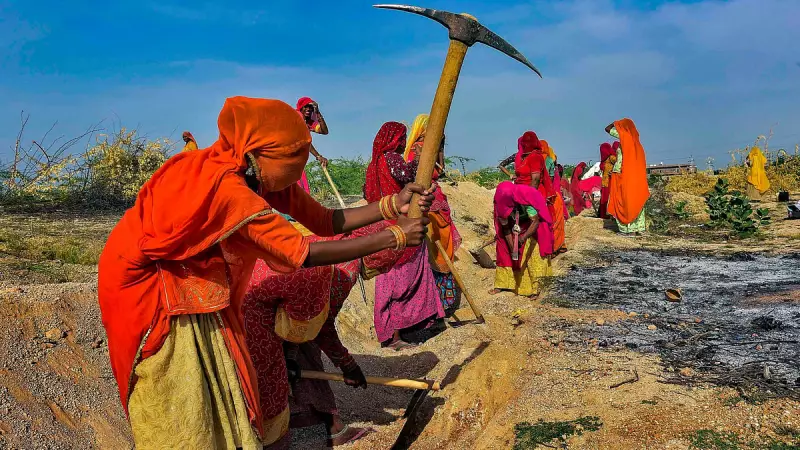
The Indian National Congress is gearing up for a significant grassroots campaign aimed at reviving the flagship rural jobs scheme from the United Progressive Alliance (UPA) era. The party has announced a multi-pronged strategy that will see its workers mobilise support at the village level across the country.
The 'Kaam Maango Abhiyan' Campaign
Central to this effort is the launch of the 'Kaam Maango Abhiyan' (Demand Work Campaign). This initiative is designed to galvanise public opinion and apply pressure on the central government to fully restore the Mahatma Gandhi National Rural Employment Guarantee Act (MGNREGA) programme. The Congress alleges that the scheme's effectiveness and reach have been severely diminished in recent years.
The campaign is not a one-day event but a sustained drive scheduled to run from January 12 to January 29, 2026. During this over-two-week period, party members and leaders will engage directly with rural communities to highlight issues related to employment and wages.

Gram Sabha Resolutions: A Grassroots Push
A key tactical move in this campaign involves leveraging the most basic unit of local governance—the Gram Sabha, or village council. The Congress plans to organise and pass official resolutions within these Gram Sabhas. These resolutions will formally call for the strengthening and proper implementation of MGNREGA.
By focusing on Gram Sabhas, the party aims to demonstrate that the demand for a robust employment guarantee is not just a political slogan but a genuine need emanating from the villages themselves. This bottom-up approach is intended to give the campaign greater legitimacy and moral force.
A Calendar of Protests and Programmes
The period between January 12 and 29 will witness a variety of programmes orchestrated by the Congress. While the specific details of each day's events are likely to be rolled out by state units, the overall objective is clear: to keep the issue of rural unemployment in the national spotlight.
The party's strategy underscores its continued reliance on MGNREGA as a potent political tool, reminding voters of its legacy as the architect of the popular scheme. This campaign also signals the Congress's intent to focus sharply on rural distress and economic issues as central themes in its political narrative moving forward.
The success of the 'Kaam Maango Abhiyan' will depend on its on-ground execution and the public's response. Whether it translates into significant political momentum for the Congress remains to be seen, but it undoubtedly sets the stage for a renewed debate on rural employment and welfare policies in India.