Congress Leaders Champion Ballot Papers for Elections
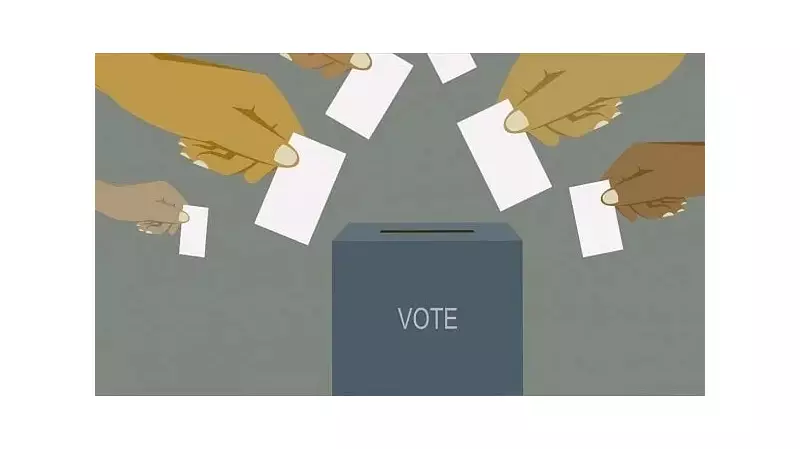
Congress leaders are expressing strong optimism about the potential return of ballot papers in Indian elections. They argue this traditional method offers greater transparency compared to electronic voting machines.
Former Mayor Advocates for Change
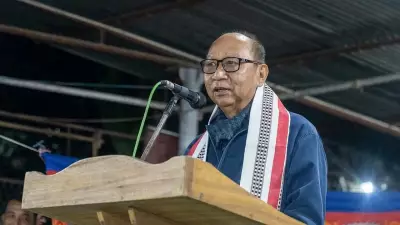
Former mayor G Padmavathi of the Congress party has become a vocal proponent of this shift. She emphasizes that ballot papers provide a more verifiable and trustworthy voting process. "We need systems where every voter can physically see their vote being counted," she stated recently.
Padmavathi believes the physical nature of ballot papers reduces concerns about technical malfunctions or potential tampering. Many Congress members share her view that this move would restore public confidence in electoral outcomes.

BJP and Critics Label Proposal as Regressive
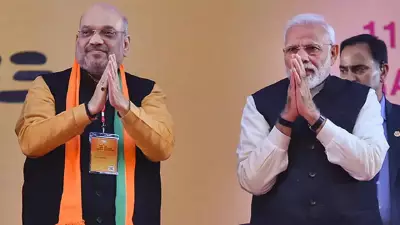
The Bharatiya Janata Party and several other political groups have strongly opposed this suggestion. They describe the push for ballot papers as a regressive step backward for Indian democracy.
BJP representatives argue that electronic voting machines represent technological progress. They claim EVMs have successfully reduced electoral fraud and streamlined the voting process across the country. "Why would we abandon modern technology for outdated methods?" questioned one BJP official.
Other critics point to practical concerns:
- Ballot papers require significantly more physical storage space
- The counting process becomes much slower and labor-intensive
- Environmental impact increases with paper usage
- Logistical challenges multiply in a country of India's size
The Transparency Debate Intensifies
Congress leaders counter these arguments by highlighting what they see as EVM vulnerabilities. They claim electronic systems lack the same level of auditability as paper ballots. "Transparency should never be sacrificed for convenience," asserted one Congress spokesperson.
The party points to several countries that have maintained or returned to paper-based voting systems. They argue that when democracy is at stake, extra precautions are justified regardless of logistical challenges.
This debate comes at a time when election integrity discussions are gaining prominence worldwide. Indian voters are increasingly attentive to how their votes are recorded and counted.
Looking Ahead
As the discussion continues, several key questions remain unanswered:
- Will election authorities seriously consider reverting to ballot papers?
- How would such a transition be implemented across India's diverse states?
- What hybrid solutions might address both transparency and efficiency concerns?
- How will voters respond to potential changes in voting methodology?
The controversy highlights fundamental differences in how political parties view election security. While Congress emphasizes verifiability and tradition, BJP prioritizes technological advancement and efficiency. This clash of perspectives will likely shape election reform discussions for months to come.
Both sides appear firmly entrenched in their positions. The coming weeks may reveal whether this remains a theoretical debate or evolves into concrete policy proposals.