

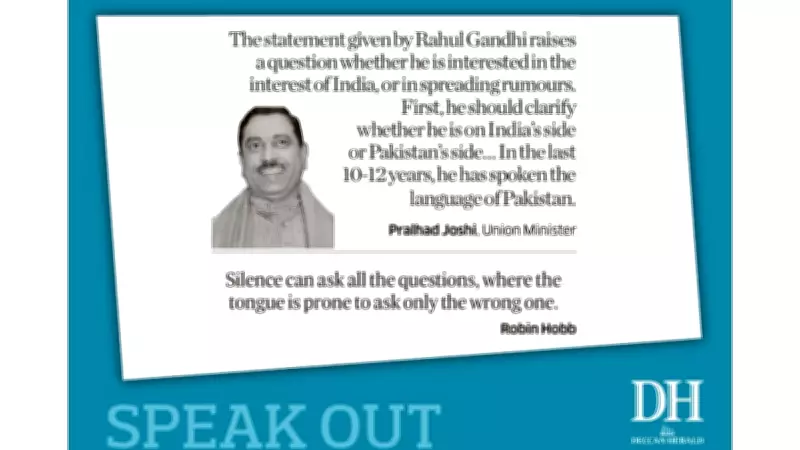
Deccan Herald Speak Out: A Platform for Citizen Voices on National Matters
On March 26, 2026, Deccan Herald published its Speak Out column, a dedicated space for public opinion that showcases diverse perspectives from citizens across India. This edition focuses on key national issues, providing a snapshot of grassroots sentiments and concerns that shape the discourse on governance and policy.
Diverse Perspectives on Governance and Policy
The column features contributions from individuals of various backgrounds, including:
- Urban professionals discussing economic reforms and job creation.
- Rural residents highlighting agricultural challenges and infrastructure needs.
- Youth activists advocating for environmental sustainability and digital inclusion.
These voices collectively emphasize the importance of inclusive decision-making and responsive governance in addressing India's complex socio-economic landscape.

Key Themes and Public Concerns
Several recurring themes emerge from the opinions shared in this Speak Out edition:
- Economic Development: Citizens express views on balancing growth with equity, calling for policies that support small businesses and reduce income disparities.
- Social Justice: Issues such as education access, healthcare affordability, and gender equality are highlighted as priorities for national focus.
- Technological Advancements: Public opinion underscores the need for ethical AI use and cybersecurity measures in an increasingly digital society.
The column serves as a barometer of public sentiment, reflecting how ordinary Indians perceive and engage with governmental initiatives and national debates.
The Role of Media in Amplifying Citizen Voices
Deccan Herald's Speak Out initiative demonstrates the media's critical function in fostering democratic dialogue. By providing a platform for unfiltered opinions, it:
- Encourages civic participation and awareness among the populace.
- Offers policymakers insights into grassroots realities and public expectations.
- Promotes transparency and accountability in governance through open discussion.
This edition, like previous ones, underscores the value of free expression in a vibrant democracy, where diverse viewpoints contribute to informed public discourse and policy refinement.






