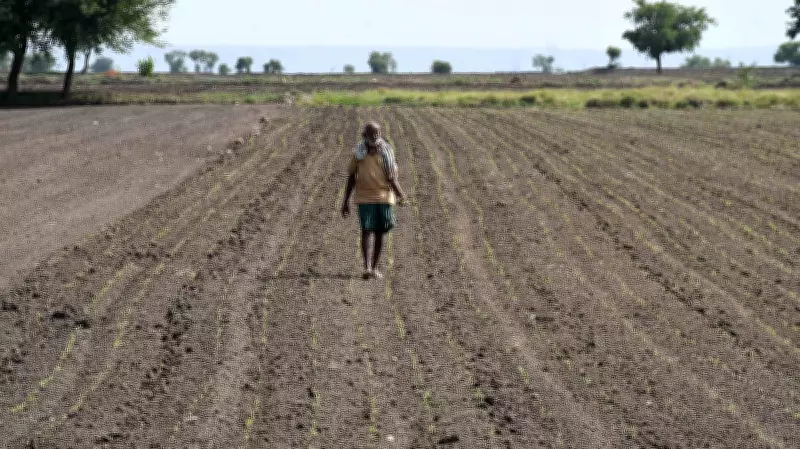
Scanty rainfall in Karnataka's Navalgund taluk has cast a shadow of uncertainty over agricultural prospects, with farmers expressing concerns about the impact on sown crops and potential yield loss. According to a report by Manjunath Hegde Bomnalli, most calls received by local authorities from farmers pertained to deficit rainfall harming standing crops, the measures needed to mitigate damage, the possible impact on yield, and the availability of government assistance.
Farmers Report Crop Damage Due to Insufficient Rain
The region, which relies heavily on the monsoon for kharif crops, has experienced significantly below-average precipitation this season. Farmers have reported that the lack of adequate moisture has stunted the growth of crops such as cotton, maize, and pulses. Many are worried that if the dry spell continues, the entire sowing season could be jeopardized, leading to financial losses.
Local agricultural officials have acknowledged the situation and are assessing the extent of damage. They have advised farmers to adopt water conservation techniques and consider alternate crops that require less water. However, the uncertainty remains high as the monsoon forecast for the coming weeks does not guarantee sufficient rainfall.

Impact on Yield and Livelihoods
The deficit rainfall is expected to affect the yield of major crops in Navalgund, which is part of the Dharwad district. Agriculture is the primary livelihood for a majority of the population, and any significant drop in production could lead to economic distress. Farmers are particularly worried about the lack of irrigation facilities in many parts of the taluk, making them entirely dependent on rain.
According to sources, the district administration has been asked to compile a report on the crop loss and submit it to the state government for possible relief measures. Some farmers have also demanded compensation for the damaged crops and a waiver of loans.
Government Response and Future Outlook
The Karnataka government has announced that it will provide assistance to affected farmers once the assessment is complete. Officials have urged farmers to report their losses to the nearest agricultural extension center. Meanwhile, the meteorological department has predicted scattered showers in the region over the next few days, but it remains to be seen whether this will be enough to alleviate the crisis.
The situation in Navalgund highlights the vulnerability of rain-fed agriculture in Karnataka and the urgent need for sustainable water management solutions. As the monsoon season progresses, farmers remain hopeful but cautious about the final outcome.