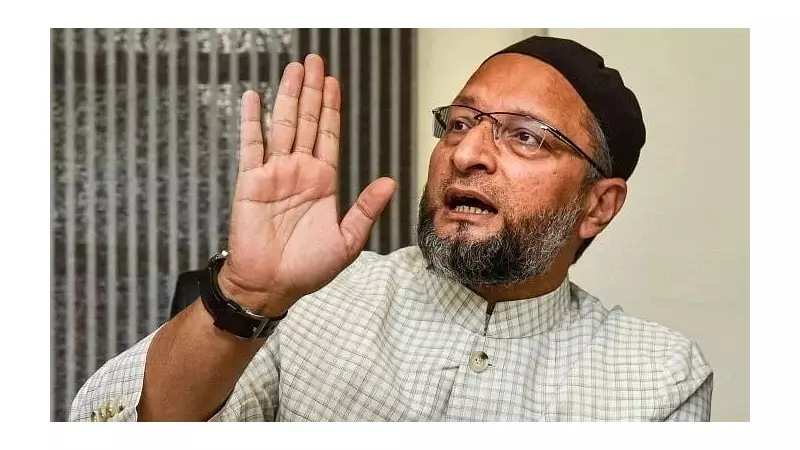
A demolition drive conducted by authorities in South Delhi's Mehrauli area on Thursday has ignited a fresh political controversy. The action, led by the Delhi Development Authority (DDA), targeted what officials described as illegal constructions. However, the drive took a contentious turn when All India Majlis-e-Ittehadul Muslimeen (AIMIM) chief Asaduddin Owaisi alleged that a portion of a mosque's property was demolished during the operation.
The Demolition Drive and Conflicting Claims
The demolition exercise was carried out in the Mehrauli archaeological park zone. According to the DDA, the action was part of a routine removal of encroachments and unauthorized structures on government land. Officials stated that several illegal constructions, including boundary walls and other structures, were razed to clear the land.
However, Asaduddin Owaisi strongly contested this narrative. The Hyderabad MP claimed that the demolished structure was not an illegal encroachment but was, in fact, part of a waqf property linked to the Masjid Akhondji and the adjoining Badi Masjid. Owaisi stated that the property had a valid number in the Delhi Waqf Board's records and accused the authorities of targeting the religious site without due process.

"They have demolished a portion of the mosque's property," Owaisi asserted. He challenged the DDA's claim of the demolition being a routine anti-encroachment drive, questioning why such actions often seem to target properties associated with a particular community.
Official Stance and Political Reactions
The DDA maintained its position, stating that the demolition was strictly based on removing illegal structures from its land. A senior official from the authority reiterated that the action was taken after due surveys and legal procedures, and no religious structure was targeted.
The incident quickly drew sharp reactions from other political quarters. The Aam Aadmi Party (AAP), which governs Delhi, also criticized the demolition. AAP Rajya Sabha MP Sanjay Singh demanded an explanation from the Lieutenant Governor and the central government, alleging a pattern of targeted actions against minority properties under the BJP-led central government's watch.
This event has added fuel to the ongoing political debate in the national capital concerning demolition drives, land rights, and allegations of bias. It recalls similar tensions from past demolition exercises in areas like Jahangirpuri and Nuh, where accusations of communal targeting were levied.
Broader Implications and Legal Context
The controversy raises significant questions about the process followed before such demolitions. Critics argue for greater transparency and adherence to legal protocols, including issuing proper notices and verifying land records thoroughly, especially when properties registered with bodies like the Waqf Board are involved.
The Delhi Waqf Board is expected to examine the claims and the status of the property in question. The board's potential involvement could lead to a legal challenge against the DDA's action.
This incident underscores the delicate balance urban authorities must maintain between enforcing civic rules and ensuring that actions are not perceived as discriminatory. In a diverse city like Delhi, where land is scarce and historical claims abound, demolition drives often transcend mere administrative actions, becoming potent political symbols.
The fallout from the Mehrauli demolition is likely to continue, with demands for investigations and assurances that religious properties are protected under the law. It highlights the ongoing tensions between development agendas, legal enforcement, and community sensitivities in urban India.