Delhi Government Announces Phased Replacement of Chinese CCTV Cameras Citing National Security Risks
In a significant move addressing national security vulnerabilities, the Delhi government has announced plans to systematically replace Chinese-origin CCTV cameras installed across the capital's surveillance network. Public Works Department Minister Parvesh Verma revealed on Wednesday that cameras sourced from Chinese firm Hikvision will be gradually phased out and substituted with more secure, trusted systems.
Scale of Chinese Surveillance Infrastructure in Delhi
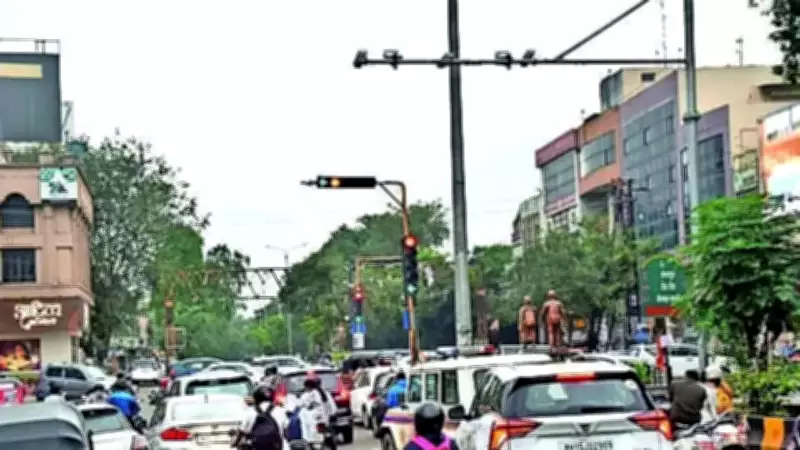
Delhi currently operates an extensive surveillance network comprising over 270,000 CCTV cameras, all installed by the Public Works Department. A detailed analysis reveals that more than half of this infrastructure—approximately 140,000 cameras—originates from Chinese manufacturers. These cameras were deployed during Phase 1 of the installation program, which spanned from September 2020 to November 2022.
The remaining cameras, installed during Phase 2 between June 2025 and March 2026, are not of Chinese origin. This distinction has become central to the current security debate, with officials highlighting the potential risks associated with foreign surveillance technology controlling sensitive urban infrastructure.

National Security Concerns Drive Replacement Decision
Minister Verma articulated serious concerns about surveillance and data security, stating that the previous administration's decision to install Chinese cameras raises fundamental questions about long-term security implications. "Surveillance infrastructure is not merely about visibility—it represents control over sensitive data streams that could compromise national security," Verma emphasized.
He further elaborated that deploying such systems across an entire metropolitan area constitutes a national security choice rather than a routine procurement decision. "Unfortunately, the Aam Aadmi Party failed to recognize the strategic implications when they installed these cameras without adequate consideration for security consequences," Verma added.
Implementation Strategy and Technical Upgrades
The replacement initiative will commence with 50,000 Chinese cameras approved for immediate substitution, according to senior officials familiar with the plan. Beyond mere replacement, the government intends to rationalize and upgrade the entire surveillance network with modern technical standards.
"We will gradually replace the cameras with secure, trusted, and updated systems that meet current technical specifications," Verma explained. "The new infrastructure will offer enhanced data security protections and be supported by a robust supply and service ecosystem to ensure long-term reliability."
The transition will be executed in carefully planned phases to prevent any disruption to the city's surveillance capabilities, maintaining continuous monitoring throughout the replacement process.
Political Contrast and Security Philosophy
Drawing a sharp distinction between governance approaches, Verma contrasted the previous AAP administration's priorities with the current BJP-led government's security focus. "For them, it was primarily about numbers and publicity. For our administration, security, accountability, and protecting Delhi's citizens without compromise form the foundation of our policy," he stated.
Political Response and Broader Context
An AAP functionary responded to the announcement by questioning the selective nature of the security concerns. "Hikvision cameras are already deployed across multiple central government projects, including metro systems that are critical to public safety," the representative noted. "If genuine national security concerns exist regarding these cameras, why hasn't the central government imposed a comprehensive ban on their use nationwide?"
The AAP response suggested the move might represent "less about security and more about creating a convenient pretext to phase out existing systems and award fresh contracts to favored companies."

It's important to note that no ban on purchasing Chinese-made CCTV cameras existed when the Hikvision cameras were originally procured. However, new central government guidelines now specify that no new procurement should be made from Chinese firms, effectively barring Chinese video surveillance companies from selling internet-connected CCTV cameras in India.
Broader Implications for Urban Security Infrastructure
This decision reflects growing global concerns about foreign surveillance technology and data sovereignty. As cities worldwide become increasingly dependent on smart infrastructure, the security of surveillance networks has emerged as a critical component of national security strategy.
The Delhi case represents one of the most substantial urban surveillance replacement initiatives in India, potentially setting precedents for other municipalities grappling with similar security dilemmas regarding foreign technology in critical infrastructure.