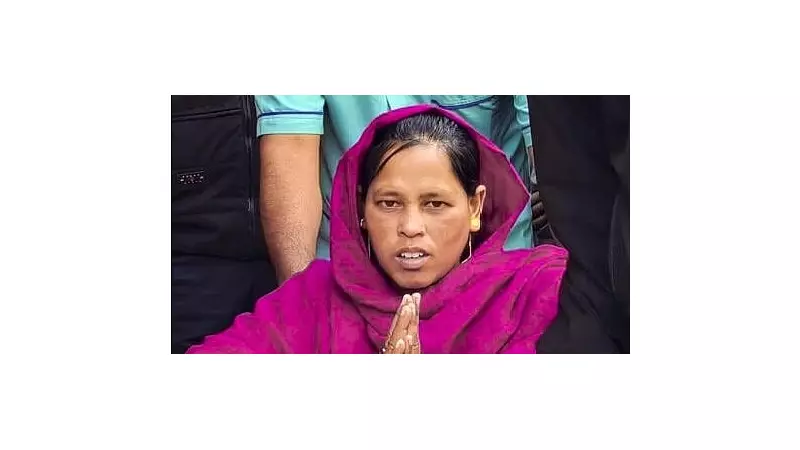
A story of resilience and new life has emerged from the complex landscape of migration and borders. Sunali Khatun, a migrant woman who was recently deported from Bangladesh, has given birth to a child after her return. Both the mother and her newborn baby are reported to be in stable condition, marking a positive conclusion to a challenging journey.
A Joyous Announcement Amidst Adversity
The news of the successful delivery prompted a heartfelt response from prominent political figures. Abhishek Banerjee, the national general secretary of the Trinamool Congress (TMC), expressed his joy at the development. He characterized this new chapter in Sunali Khatun's life as nothing less than a "triumph of humanity." His statement underscores the human element often at the heart of cross-border migration narratives, shifting focus to compassion and survival.
Timeline of Events and Current Status
The sequence of events, as reported, indicates that Sunali Khatun's deportation from Bangladesh preceded the birth of her child. The official update confirming the stable health of both mother and infant was noted on 05 January 2026. While specific details regarding the location of the birth or the exact circumstances of her deportation are not fully elaborated in the initial report, the core facts remain clear: a safe delivery following a period of significant upheaval.

Broader Implications and the Human Story
This incident brings to the forefront the often-overlooked personal stories within broader discussions on migration policy and border control. The focus on the well-being of Sunali Khatun and her newborn highlights critical issues of maternal healthcare and post-deportation support for individuals. The positive outcome in this case offers a moment of relief and hope, celebrated as a personal victory against formidable odds.
The reaction from a senior political leader like Abhishek Banerjee also injects the story into wider socio-political discourse, framing it as an example of human endurance deserving of recognition and empathy. It serves as a reminder that behind every statistic on deportation, there are individual lives, families, and new beginnings.