Deve Gowda's Urgent Appeal to Sonia Gandhi: Curb Congress MPs' Disruptive Tactics in Parliament
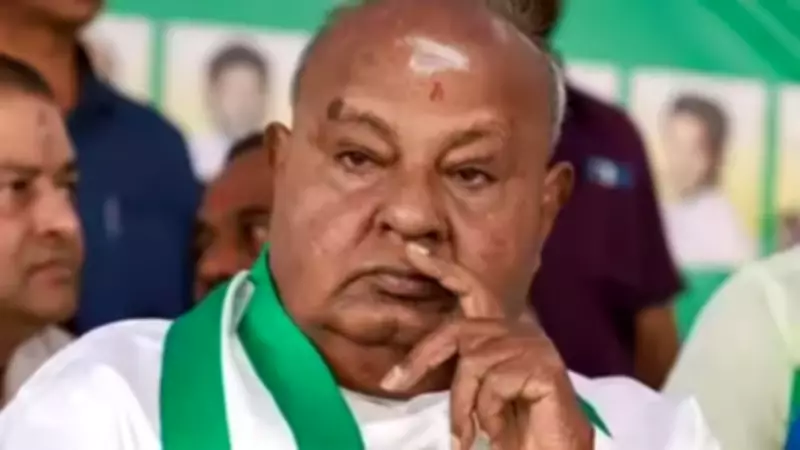
In a poignant letter that may mark his final parliamentary intervention, former Prime Minister H D Deve Gowda has directly appealed to Congress leader Sonia Gandhi to rein in her party's MPs, whose frequent disruptions, he warns, threaten to undermine the very foundations of Indian democracy. The 92-year-old statesman, whose Rajya Sabha term concludes in June, expressed deep concern over the escalating confrontational tactics employed by opposition members, particularly highlighting the role of the Leader of the Opposition.
A Call for Restraint and Maturity
Invoking Sonia Gandhi's extensive political experience and her own history of conducting opposition with grace and maturity, Deve Gowda urged her to persuade Congress MPs to significantly reduce the excessive number of disruptions both inside Parliament and on its premises. He emphasized that the current trend of dharnas, blockades, and slogan-shouting is unprecedented and risks leaving an indelible bitterness in the political landscape.
You can perhaps ask them not to harm themselves, their cause, and their political futures in the long run, he wrote, suggesting that while protest is essential, it must be framed in a manner that does not dismantle the democratic institutions built over 75 glorious years of independence.

Targeting Specific Leaders and Tactics
While not naming individuals explicitly, the letter clearly references the actions of key Congress figures. Rahul Gandhi, as Leader of the Opposition in the Lok Sabha, has presided over frequent protests, while Mallikarjun Kharge holds the equivalent position in the Rajya Sabha. Deve Gowda took a subtle swipe at Rahul Gandhi, noting that he was spotted joining protesting colleagues at the Parliament entrance, a move that, in his view, reduced the gathering to something resembling a tea-shop assembly.
He contrasted this with past opposition practices, which he said were marked by restraint and did not involve blocking entrances, thereby maintaining the dignity of parliamentary proceedings.
The Broader Context and Implications
Deve Gowda's intervention comes at a critical juncture, as Parliament has witnessed a surge in:
- Display of placards and name-calling during sessions
- Organized dharnas and blockades outside the building
- Persistent slogan-shouting that disrupts legislative business
His letter underscores a growing concern among veteran politicians about the erosion of parliamentary decorum and its potential long-term damage to democratic norms. By appealing directly to Sonia Gandhi, he seeks to leverage her influence to foster a more constructive opposition role, one that balances dissent with respect for institutional integrity.
As Deve Gowda prepares to exit the parliamentary arena, his message serves as a stark reminder: protest is a democratic right, but its execution must safeguard the very system it aims to critique.