Deve Gowda Sounds Alarm on Parliamentary Chaos in Letter to Sonia Gandhi
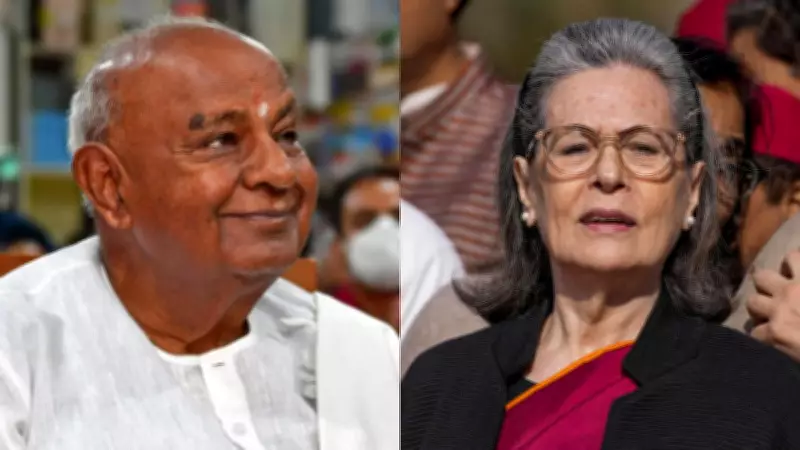
In a significant political development, former Prime Minister and Janata Dal (Secular) patriarch H.D. Deve Gowda has penned a formal letter to Congress leader Sonia Gandhi, flagging what he describes as escalating 'chaos' within the hallowed halls of Parliament. The communication, dated March 16, 2026, directly attributes the turmoil to persistent disruptions orchestrated by opposition parties, including the Congress.
A Plea for Restraint and Long-Term Vision
Gowda's letter carries a tone of grave concern and veteran counsel. He has explicitly urged Sonia Gandhi to engage with her party leaders and other opposition figures, imploring them to reconsider their current strategies of parliamentary obstruction. The former PM emphasized that such tactics risk causing significant harm not only to the immediate legislative process but also to the opposition's own political standing and future prospects.
"I urge you to speak to your party leaders and others in the opposition," Gowda wrote, according to sources familiar with the correspondence. "Ask them not to harm themselves, their cause, and their political futures in the long run." This appeal underscores a broader worry about the erosion of parliamentary decorum and the potential long-term electoral consequences for parties seen as impeding governance.

Context of the Parliamentary Impasse
The letter arrives against a backdrop of heightened political tensions and frequent adjournments in both the Lok Sabha and Rajya Sabha. Key government bills and policy discussions have reportedly been stalled due to vociferous protests and walkouts by opposition members on various contentious issues. Gowda, known for his consensus-building approach during his tenure, appears to be positioning himself as an elder statesman attempting to broker a return to functional debate.
His intervention is particularly notable given the complex political equations between regional parties like the JD(S) and national players like the Congress. By addressing Gandhi directly, he is signaling the seriousness of the situation and appealing to a central figure who can potentially influence a wide swath of the opposition bloc.
Potential Implications and Reactions
Political analysts suggest this move could have several implications:
- Pressure on Congress Leadership: The public nature of this advice places the Congress leadership in a spotlight, forcing them to articulate a clear stance on parliamentary conduct.
- Highlighting Internal Divisions: It may reveal differing views within the opposition on the efficacy and ethics of disruption as a political tool.
- Elder Statesman Role: Gowda reinforces his image as a concerned veteran aiming to preserve institutional integrity beyond immediate partisan gains.
As of now, there has been no official public response from Sonia Gandhi or the Congress party to Gowda's missive. The development adds a new layer to the ongoing narrative of parliamentary dysfunction and the strategies employed by India's political factions. Observers will be watching closely to see if this appeal leads to any tangible change in the opposition's approach or if the 'chaos' Gowda warns of continues unabated.