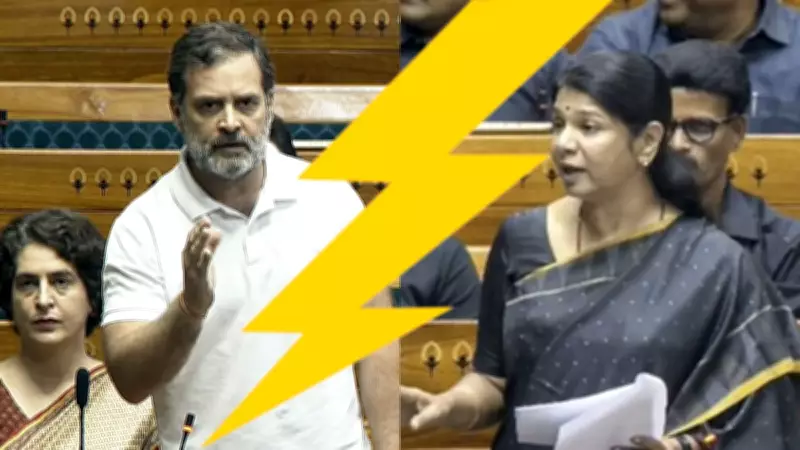
The Dravida Munnetra Kazhagam (DMK) has secured a separate seating arrangement in the Lok Sabha, moving away from the Congress party following a fallout over the Tamil Nadu alliance. The development marks a significant shift in the political dynamics between the two parties, which have been allies in the state for years.
Background of the Rift
Tensions between the DMK and Congress escalated after the 2024 Lok Sabha elections, when the Congress reportedly sought a larger share of seats in Tamil Nadu for the 2026 assembly polls. The DMK, led by Chief Minister M. K. Stalin, resisted these demands, leading to a breakdown in talks. Subsequently, the DMK announced it would contest the upcoming state elections independently, severing its long-standing alliance with the Congress.
Seating Arrangement in Parliament
In the Lok Sabha, the DMK has now been allocated seats away from the Congress bloc, reflecting the strained relations. The party's MPs will sit in a separate section, symbolizing their political distance. This move is seen as a strategic decision to assert the DMK's independent identity and signal to voters that it is not beholden to Congress.

Political analysts note that the seating change is more than symbolic; it may impact future legislative coordination between the two parties. The DMK, with its strong regional base, is keen to project itself as the dominant force in Tamil Nadu politics, without being overshadowed by the national party.
Reactions from Political Leaders
DMK leaders have downplayed the significance of the seating change, calling it a routine administrative matter. However, Congress leaders have expressed disappointment, stating that the alliance was beneficial for both parties. Some Congress MPs have accused the DMK of prioritizing regional interests over national unity.
Impact on Tamil Nadu Politics
The fallout is likely to reshape the political landscape in Tamil Nadu. The DMK will now face the 2026 assembly elections without the support of Congress, which could consolidate the opposition vote. Meanwhile, the Congress may seek new alliances with other parties, such as the Left or smaller regional outfits, to remain relevant in the state.
Observers suggest that the DMK's decision to go solo could be a gamble, as it may alienate minority voters who traditionally leaned toward the Congress-DMK combine. However, the DMK believes its strong welfare schemes and anti-BJP stance will retain its support base.