As the political landscape in West Bengal undergoes a seismic shift, Suvendu Adhikari is poised to take the reins as the state's next Chief Minister. This development has sparked a nationwide debate: does Bengal need a 'Yogi model' of governance, akin to Uttar Pradesh's transformation under Yogi Adityanath?
The Rise of Suvendu Adhikari
Suvendu Adhikari, a former Trinamool Congress heavyweight who crossed over to the Bharatiya Janata Party in 2020, has emerged as the frontrunner for the top post. His journey from being a close aide of Mamata Banerjee to becoming the face of the BJP in Bengal is a testament to his political acumen. With the BJP securing a decisive mandate in the 2026 assembly elections, Adhikari's ascension seems inevitable.
What Is the Yogi Model?
The 'Yogi model' refers to the governance style of Uttar Pradesh Chief Minister Yogi Adityanath, characterized by a strong emphasis on law and order, infrastructure development, and welfare schemes. It also involves a proactive approach to tackling crime and corruption. Proponents argue that this model has transformed UP into a more investment-friendly state with improved public safety.

However, critics contend that the model is authoritarian and stifles dissent. They point to instances of alleged misuse of power and a crackdown on free speech. The question remains whether such a model can be replicated in Bengal, a state with a distinct cultural and political identity.
Bengal's Unique Challenges
West Bengal faces a myriad of issues, including political violence, unemployment, and industrial stagnation. The Mamata Banerjee government has been accused of fostering a climate of fear and nepotism. Supporters of the Yogi model believe that a strong-handed approach is necessary to restore order and attract investment.
Yet, Bengal's history of intellectual and cultural movements, from the Bengal Renaissance to the Naxalite insurgency, suggests that a one-size-fits-all approach may not work. The state's diverse demographics and strong regional pride demand a nuanced strategy.
Adhikari's Vision
In his recent speeches, Suvendu Adhikari has outlined a vision that blends development with cultural nationalism. He has promised to crack down on corruption and ensure safety for all citizens, particularly women. He has also emphasized the need to revive Bengal's industrial sector, which has seen a decline over the past decade.
Adhikari's supporters argue that he understands Bengal's ground realities better than any outsider. His experience as a former minister in the Mamata Banerjee cabinet gives him insights into the state's administrative machinery.
The Road Ahead
As Bengal stands at a crossroads, the choice between continuity and change will define its future. The Yogi model may offer a template for rapid development, but it must be adapted to local conditions. Suvendu Adhikari's leadership will be crucial in determining whether Bengal can achieve a balance between progress and democratic values.
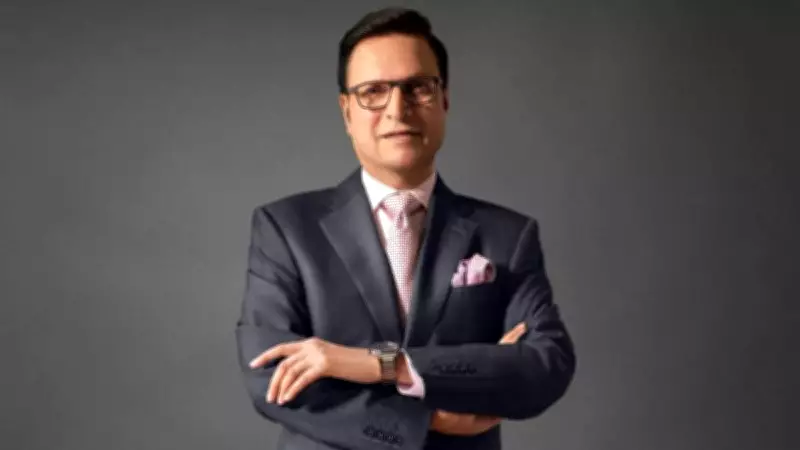
Rajat Sharma, in his analysis on 'Aaj Ki Baat', underscores that the success of the new government will depend on its ability to deliver on promises while respecting Bengal's unique ethos. The nation watches with bated breath as this new chapter unfolds.