

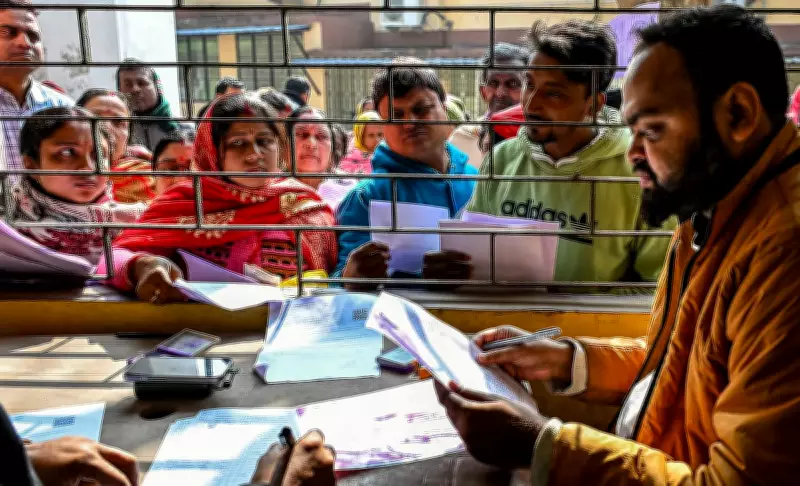
EC Releases First Supplementary Voters List for West Bengal After SIR Adjudications
The Election Commission of India has taken a significant step in the electoral process for West Bengal by issuing the first supplementary voters list. This action follows the completion of SIR (Summary Revision) adjudications, which are crucial for updating the electoral roll. However, the commission has not provided clarity on the number of deletions made from the list, leaving some uncertainty as the state prepares for upcoming polls.
Background on SIR Adjudications
SIR adjudications involve a thorough review of voter applications and objections to ensure the accuracy of the electoral roll. In West Bengal, this process has been closely monitored due to the state's political significance and history of electoral disputes. The adjudications aim to address issues such as duplicate entries, ineligible voters, and changes in voter demographics, thereby enhancing the integrity of the voting system.
The supplementary list includes new registrations and modifications based on the adjudications. This update is essential for reflecting recent changes in the electorate, such as new voters reaching the age of 18 or residents who have moved to different constituencies. By issuing this list, the Election Commission seeks to ensure that all eligible citizens have the opportunity to participate in the democratic process.

Lack of Clarity on Deletions
Despite the release of the supplementary list, the Election Commission has not disclosed specific details regarding deletions from the voters list. This omission has raised questions among political parties and observers, as deletions can impact voter turnout and election outcomes. Deletions typically occur due to reasons such as death, relocation, or disqualification, but without transparency, concerns about potential manipulation or errors persist.
In previous elections, West Bengal has faced allegations of voter list irregularities, making this issue particularly sensitive. The lack of clarity on deletions could lead to disputes and legal challenges, especially if parties suspect unfair practices. The Election Commission has emphasized its commitment to a fair electoral process, but stakeholders are calling for more detailed information to build trust.
Impact on Upcoming Elections in West Bengal
West Bengal is a key state in Indian politics, with elections often characterized by intense competition and high stakes. The release of the supplementary voters list is a critical preparatory step, as it determines who can vote in the upcoming polls. Accurate and transparent voter lists are fundamental to conducting free and fair elections.
The supplementary list will be used in the next electoral cycle, influencing campaign strategies and voter outreach efforts. Political parties are likely to scrutinize the list to identify potential advantages or disadvantages. Additionally, voter education initiatives may be needed to inform citizens about changes to their registration status.
- The Election Commission's move aims to update the electoral roll efficiently.
- Deletions remain a point of contention without clear data.
- This development could affect election dynamics in West Bengal.
Future Steps and Monitoring
As West Bengal moves closer to election dates, the Election Commission is expected to continue refining the voters list. Further supplementary lists may be issued if additional adjudications or revisions are necessary. Monitoring by independent observers and political parties will be crucial to ensure accountability and transparency.
The commission has urged voters to verify their details on the official website or through designated channels. Citizens are encouraged to report any discrepancies to facilitate corrections before polling day. This proactive approach can help mitigate issues and promote a smoother electoral process.
In conclusion, the issuance of the first supplementary voters list marks a pivotal moment in West Bengal's electoral preparations. While it addresses new registrations, the unresolved question of deletions highlights the need for greater openness. As the state gears up for elections, all eyes will be on how these factors shape the democratic landscape.






