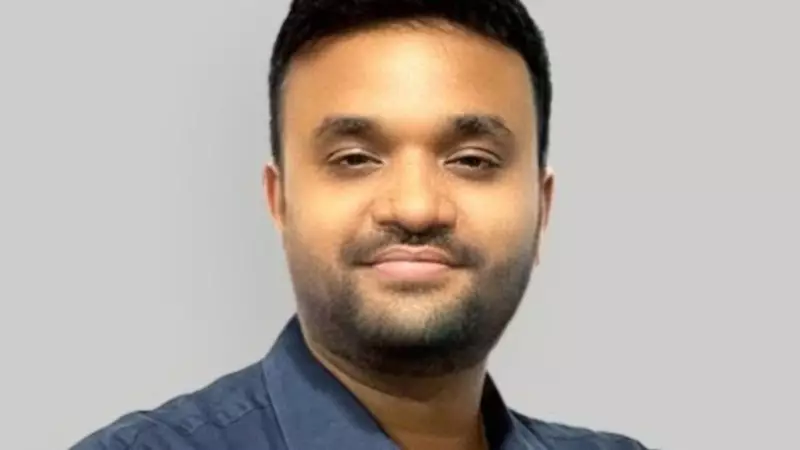
The relatively obscure world of political backroom operations was thrust into the limelight this week after officials from the Enforcement Directorate (ED) conducted searches at the Kolkata residence of Pratik Jain, a co-founder and director of the Indian Political Action Committee (I-PAC), and the organisation's offices. Jain, a key organisational force behind the Trinamool Congress's electoral machinery in West Bengal, suddenly found himself at the centre of a major political and legal storm.
The Raid and the Immediate Fallout
On January 8, 2026, ED officials carried out raids as part of a money laundering investigation. The probe is connected to an alleged coal smuggling case against Anup Majhi, also known as Lala, who is accused of illegally excavating coal from leasehold areas of Eastern Coalfields in Paschim Bardhaman district, West Bengal. The ED's statement alleged that a hawala operator linked to this case diverted funds to support I-PAC's operations in Goa during the 2021-22 period.
The political reverberations were immediate and significant. West Bengal Chief Minister Mamata Banerjee swiftly visited the I-PAC office following the raids. She publicly stated that she contacted Jain because "he is in charge of my party's work" and alleged that the federal agency had seized internal documents belonging to the Trinamool Congress. Jain's family has since filed a police complaint, claiming documents were taken during the search. The matter is now being heard by the Calcutta High Court.

Who is Pratik Jain? The Man Behind the Scenes
Pratik Jain, an IIT Bombay alumnus who hails from Ranchi, began his professional journey as an analyst at Deloitte. His entry into the political arena came early when he joined the Citizens for Accountable Governance (CAG), the professional group that managed Narendra Modi's landmark 2014 Lok Sabha campaign. He later became a co-founder of I-PAC when Prashant Kishor established the consultancy but consistently preferred to operate away from public attention.
His role expanded dramatically after Kishor's departure from I-PAC in 2021. As the firm's electoral projects in states like Tripura, Meghalaya, and Goa faced setbacks, it consolidated its operations. Senior resources were moved to Kolkata, making West Bengal its primary and year-round engagement. In this setup, Jain emerged as the organisational fulcrum, overseeing campaign strategy, data systems, digital operations, and ensuring I-PAC's deep integration with the Trinamool Congress's grassroots and leadership structures.
Political Reactions and Ongoing Probe
Trinamool Congress MP Saket Gokhale questioned the timing of the ED's action, asking why the agency had "woken up before the Bengal polls" when the probe was linked to the 2022 Goa elections. I-PAC had worked on the Trinamool's campaign for the Goa Assembly elections that year.
Despite the high-pressure situation, an I-PAC employee indicated a sense of normalcy within the organisation a day after the raids, noting that Jain had visited the office and things seemed "pretty chill." However, the incident has undeniably highlighted the influential, yet typically invisible, role that political consultancies and their key personnel play in modern Indian elections, especially in a politically charged state like West Bengal.
The ED's investigation continues to unfold, with the agency drawing links between alleged proceeds of crime from the coal smuggling case and political consultancy work. The outcome of this probe and the Calcutta High Court's proceedings on the seized documents are likely to have significant implications for the players involved and the broader narrative ahead of future elections in the state.