Former Civil Servants Call for Supreme Court Intervention in Assam CM's Alleged Hate Speeches
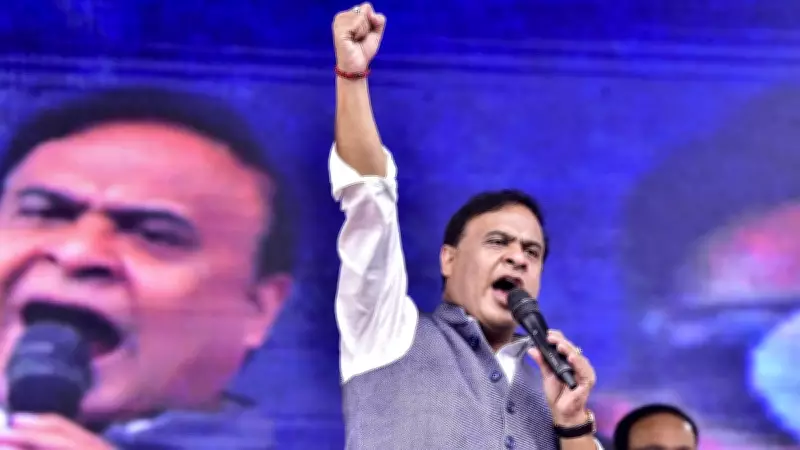
In a significant development, a group of former civil servants has issued an open letter urging the Supreme Court of India to take suo motu cognizance of alleged hate speeches made by Assam Chief Minister Himanta Biswa Sarma. The letter, dated February 16, 2026, highlights concerns over inflammatory rhetoric and calls for immediate judicial action to uphold constitutional values.
Demand for Presidential Intervention
The former bureaucrats have also appealed to President Droupadi Murmu to intervene in the matter. They specifically request that she "suitably advise" Prime Minister Narendra Modi and Chief Minister Himanta Biswa Sarma to abide by their oaths to the Constitution and maintain the dignity of their respective offices. This appeal underscores the gravity of the situation, as it involves top political figures at both state and national levels.
The open letter emphasizes that such speeches could potentially undermine social harmony and violate the principles enshrined in the Indian Constitution. The signatories, who have served in various capacities across government departments, argue that public officials must set an example by adhering to ethical standards and promoting unity.

Background and Implications
This move comes amid ongoing debates about hate speech in Indian politics, with Assam being a focal point due to its diverse demographic landscape. The former civil servants' letter reflects broader anxieties within certain sections of society regarding the impact of divisive language on communal relations and national integrity.
By targeting the Supreme Court and the President, the group aims to leverage constitutional mechanisms to address what they perceive as a breach of public trust. The call for suo motu cognizance is particularly notable, as it would allow the court to act on its own initiative without a formal petition, potentially expediting legal scrutiny of the alleged incidents.
The response from the concerned authorities, including the Supreme Court and Rashtrapati Bhavan, is awaited, as this development could set precedents for handling similar cases in the future. The letter has sparked discussions among legal experts, political analysts, and civil society organizations about the boundaries of free speech and the responsibilities of elected representatives.