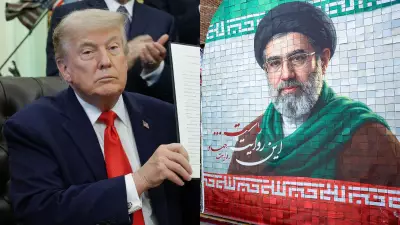
In today's political landscape, fear often serves as a powerful instrument for those in power. Leaders and parties use it to manipulate public sentiment and secure their positions. This tactic is not new, but its application has evolved with modern communication tools.
The Mechanics of Fear in Politics
Political actors create and amplify fears to achieve specific goals. They might highlight external threats, such as terrorism or economic instability. Alternatively, they focus on internal divisions, like social or ethnic conflicts. By doing so, they rally support and justify controversial policies.
Historical and Contemporary Examples
Throughout history, fear has been a common tool in governance. In ancient times, rulers used fear of invasion to unite people. In the modern era, politicians exploit fears related to security, immigration, or economic downturns. These strategies often lead to increased public compliance and reduced dissent.

Recent events show how fear shapes political discourse. During elections, candidates may spread fear about opponents' plans. In policy-making, governments use fear to push through laws that limit freedoms. The media sometimes amplifies these fears, creating a cycle of anxiety and control.
Impact on Democracy and Society
The use of fear as a political instrument has significant consequences. It can erode trust in democratic institutions. When people act out of fear, they may support authoritarian measures. This undermines the principles of free debate and informed decision-making.
Psychological and Social Effects
Fear affects individuals and communities on a deep level. It causes stress and anxiety, impacting mental health. Socially, it can lead to polarization and conflict. Groups may turn against each other, driven by manipulated fears. This weakens social cohesion and hampers collective progress.
In many cases, fear-based politics diverts attention from real issues. Instead of addressing poverty or healthcare, debates focus on perceived threats. This misallocation of resources and energy harms societal development. Citizens become passive, relying on leaders for protection rather than engaging actively.
Countering Fear-Based Strategies
To combat the misuse of fear, awareness and education are crucial. People need to recognize when fear is being used manipulatively. Critical thinking skills help individuals question sensational claims. Media literacy programs can teach how to identify biased or exaggerated reports.
Role of Civil Society and Institutions
Strong democratic institutions play a key role in resisting fear-based tactics. Independent judiciary and free press provide checks and balances. Civil society organizations promote dialogue and fact-checking. By fostering transparency and accountability, they reduce the space for fear-mongering.
Citizens also have a part to play. Voting based on facts rather than fear is essential. Engaging in community activities builds resilience against divisive politics. Open discussions about fears can demystify them and reduce their power as tools of control.
Conclusion: Towards a Fear-Free Politics
While fear may always exist in politics, its use as an instrument can be minimized. Emphasizing hope and shared values offers an alternative. Policies based on evidence and inclusivity foster trust. By prioritizing human dignity over manipulation, societies can move towards healthier political environments.
Ultimately, the fight against fear-based politics requires collective effort. It involves rethinking how power is exercised and contested. With vigilance and commitment, people can reclaim their agency and build more just and peaceful communities.