Massive Voter Enrollment Drive Underway in Ghaziabad District
In a significant push to update the electoral rolls ahead of the 2026 elections, Ghaziabad district is currently processing a staggering volume of voter-related applications. More than two lakh applications for the inclusion of new voters have been submitted, alongside over 65,000 forms seeking corrections in existing voter details. This intensive activity is part of the Special Intensive Revision (SIR) programme 2026, a nationwide initiative by the Election Commission of India.
Special Camps and Notices Drive the Process
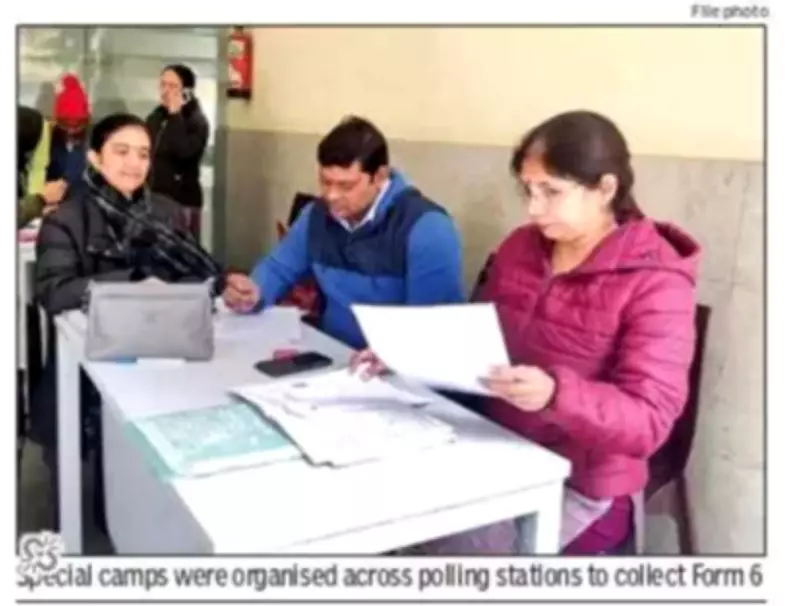
To facilitate this massive exercise, district authorities organized special camps across all polling stations last Sunday. These camps were specifically designed to collect Form 6, which is used for new voter registration, and Form 8, intended for making changes to details such as name, address, and other personal particulars. Booth Level Officers (BLOs) remained present at their respective stations from 10:30 AM to 1:30 PM, equipped with voter lists that highlighted discrepancies and ready to assist citizens.
Simultaneously, a parallel process of hearings and notices is in full swing. Approximately 1.5 lakh unmapped voters and another 5.7 lakh voters who were served notices due to logical discrepancies are currently under review. District Magistrate Ravidra Mander provided detailed insights, stating, "We have already conducted 2.7 lakh hearings and served 3.5 lakh notices in Ghaziabad so far."

Mander further explained the scope of the notices: "Apart from notices to unmapped voters, we are also targeting voters whose details show logical inconsistencies. These include cases where the father's age gap is only 15 years or where over 10 people share the same father's name. In total, 7.3 lakh notices need to be served in Ghaziabad, and we are making steady progress with over half already delivered."
Administrative Support and Extended Deadlines
The district administration has ensured comprehensive support for applicants. Forms 6, 7, and 8 are readily available at all polling stations, with dedicated help desks set up to guide citizens through the process. Form 7 is specifically for objecting to someone's name in the electoral roll. Applicants can obtain and submit these forms through their designated BLOs, at tehsil offices, or directly at the district election office.
For tech-savvy citizens, online applications for Forms 6, 7, and 8 can be submitted through the ECINET mobile app and the Election Commission's official voter services portal. This digital option aims to streamline the process and increase accessibility.
Additional District Magistrate (Finance/Revenue) and Deputy District Election Officer Saurabh Bhatt emphasized the campaign's objective: "Our goal is to ensure that no eligible voter is left out and that all errors in the electoral roll are corrected promptly. This is a crucial step toward maintaining the integrity of our democratic process."
Key Deadlines and Eligibility Criteria
The drive is being conducted under strict directives from the Election Commission of India to update and purify the electoral roll before the eligibility date of October 1. Citizens who have turned 18 years of age or will attain 18 years by October 1 are strongly encouraged to submit Form 6 during the claims and objections period.
In a significant update, the Election Commission has extended the deadline for filing claims and objections under the ongoing SIR exercise in Uttar Pradesh. Voters now have until March 6 to submit Forms 6, 7, and 8 for adding names, seeking corrections, or requesting deletions from the electoral rolls. This extension moves the deadline from the earlier date of February 6.
The Election Commission will dispose of all claims and objections by March 27, with the final electoral roll scheduled for publication on April 10. The entire process is being closely supervised by the district magistrate, supervisory officers, and electoral registration authorities to ensure transparency and efficiency.

This comprehensive voter revision drive in Ghaziabad highlights the administration's commitment to creating an accurate and inclusive electoral database, setting a precedent for other districts in Uttar Pradesh and across India.