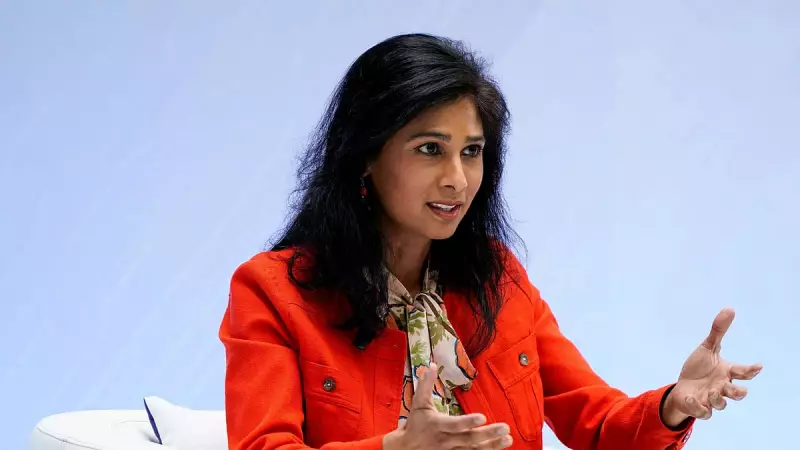
In a significant intervention, Gita Gopinath, the First Deputy Managing Director of the International Monetary Fund (IMF), has termed India's proposed 'One Nation, One Election' (ONOE) a "positive reform" while simultaneously raising a red flag about the immense logistical pressures it would entail. Her comments, made on December 17, 2025, add a nuanced, expert perspective to the heated national debate on holding simultaneous elections for the Lok Sabha and all state assemblies.
A Cautious Endorsement for a Major Reform
Gopinath acknowledged the potential benefits of the ambitious electoral overhaul, suggesting it could streamline the democratic process. However, she did not shy away from pinpointing the core operational challenge. The economist emphasized that implementing such a nationwide synchronized exercise would place "heavy logistical pressures" on the administrative machinery. This balanced view underscores that while the reform's intent is commendable, its execution demands meticulous, evidence-based planning to avoid overwhelming the system.
Learning from the States: A Roadmap for the Centre
Crucially, Gita Gopinath offered a practical pathway forward. She advised the central government to conduct a systematic analysis of the experience of states that already hold simultaneous elections. Specifically, she pointed to the examples of Andhra Pradesh, Odisha, Arunachal Pradesh, and Sikkim. These states currently conduct their assembly polls alongside the general elections, providing a live laboratory of sorts.

Gopinath argued that a deep dive into these states' experiences would yield invaluable insights on several critical fronts:
- Logistical Challenges: Understanding the real-world strain on security forces, election officials, and transportation.
- Cost-Effectiveness: Evaluating if the model genuinely leads to significant savings in election expenditure.
- Best Practices: Identifying successful strategies that can be replicated and scaled up across the country.
Implications for India's Electoral Future
The advice from a figure of Gopinath's international stature carries considerable weight. It shifts the debate from pure ideology to practical governance. By recommending a data-driven approach based on existing Indian models, she provides a framework to de-risk the massive transition. Her stance suggests that a rushed, nationwide rollout without learning from sub-national experiments could be counterproductive.
The call to analyze states like Odisha and Andhra Pradesh is particularly astute, as they represent diverse geopolitical and demographic landscapes. Their lessons can help build a more robust and adaptable model for One Nation, One Election. This approach could help policymakers anticipate bottlenecks in manpower deployment, EVM management, and campaign regulations, thereby strengthening the case for a phased and well-informed implementation.
As the government deliberates on this historic change, Gita Gopinath's nuanced commentary serves as a crucial reminder that even the most positive reforms require grounded, logistical wisdom to succeed.