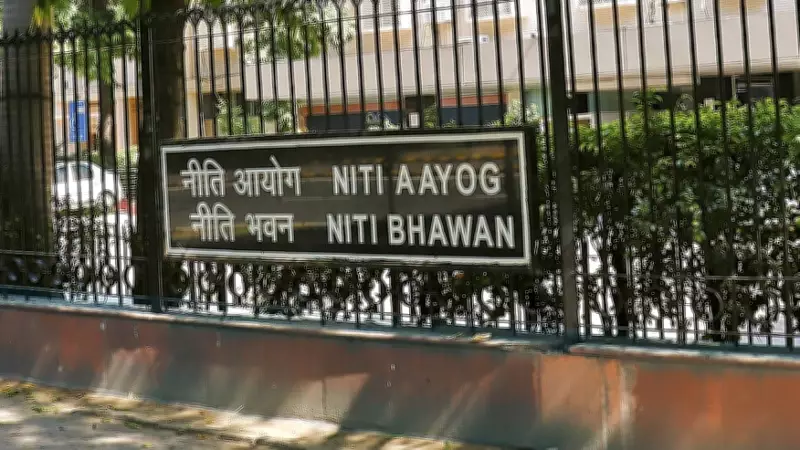
The Indian government has appointed R Balasubramaniam and Joram Aniya as full-time members of NITI Aayog, the premier policy think tank. This move aims to strengthen the institution's capacity in addressing developmental challenges and regional disparities across the country.
New Appointments to NITI Aayog
R Balasubramaniam brings extensive experience in rural development and social welfare, having served in various capacities within the government and non-profit sectors. His expertise is expected to contribute significantly to NITI Aayog's initiatives on poverty alleviation, healthcare, and education.
Joram Aniya, hailing from Arunachal Pradesh, adds a crucial regional perspective to the think tank. With a background in public policy and grassroots governance, she is well-positioned to advise on issues affecting the northeastern states, including infrastructure, connectivity, and cultural preservation.

Implications for Policy Making
The appointments come at a time when NITI Aayog is focusing on achieving the Sustainable Development Goals (SDGs) and promoting cooperative federalism. The inclusion of members with diverse expertise is expected to enhance the quality of policy recommendations and implementation strategies.
- Enhanced Regional Focus: Aniya's appointment underscores the government's commitment to inclusive development, particularly in the Northeast.
- Strengthened Social Sector: Balasubramaniam's background will aid in designing effective programs for rural and marginalized communities.
- Continuity and Change: The new members join existing full-time members to ensure a balance of experience and fresh perspectives.
Both appointees will serve for a term of two years, effective from the date of their assumption of charge. Their roles will involve advising the government on key policy matters and monitoring the progress of various national initiatives.
The government's decision has been widely welcomed by policy analysts, who see it as a step towards making NITI Aayog more responsive to ground realities. The appointments are also expected to foster better coordination between the centre and states, especially in areas requiring urgent attention.