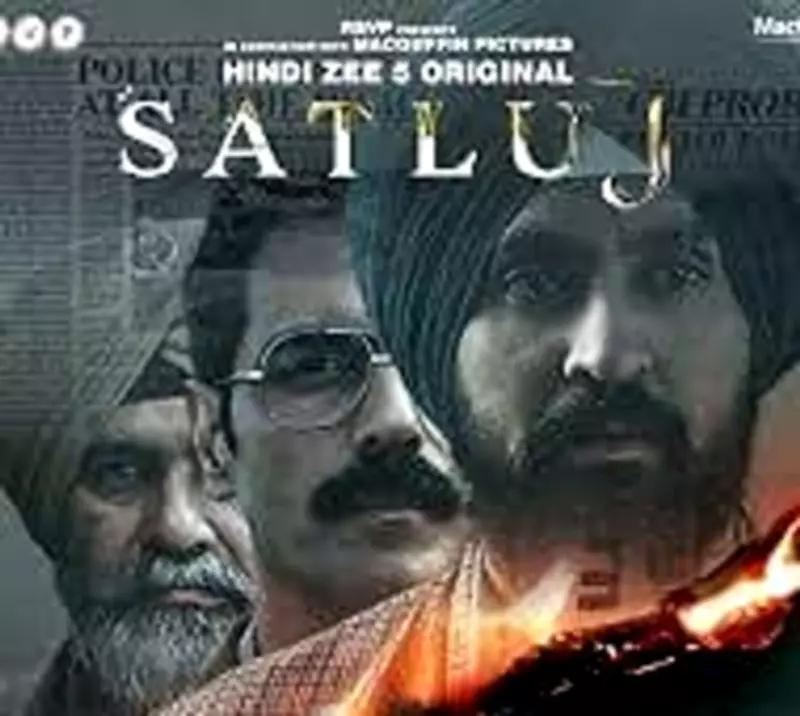
The Union Ministry of Information and Broadcasting's inter-departmental committee (IDC) has decided to maintain the online ban on the Diljit Dosanjh-starrer film 'Satluj', citing imperatives of national security and sovereignty. The committee, which reviewed controversial OTT content, had initially ordered an interim blocking of the Honey Trehan production on ZEE5 on July 5, 2026, and engaged stakeholders before formalizing a final decision.
Legal Basis for the Ban
Overall OTT content is not regulated in India, but the IDC, a standing committee established under the Information Technology Act 2000, is authorized to review OTT content and block it if it threatens public safety. This authority is derived from Section 69A of the Act, which empowers the government to block public access to any information in the interest of the sovereignty and integrity of India, defence, security, friendly relations with foreign states, public order, or for preventing incitement to cognisable offences.
It was under this provision that the takedown of 'Satluj' from ZEE5 was ordered, after the film was streamed on July 3. The IDC, constituted in 2021 under IT Act rules, engaged the film's producers and ZEE5 on the issue, questioning how a film previously red-flagged by the censor board had made it online and why due diligence was not performed before streaming.

Background of the Film
The Central Board of Film Certification (CBFC) had denied approvals to the film when it was presented under the title 'Ghallughara' on the same grounds of national security. It was later renamed 'Punjab '95'. The filmmakers moved court against the censor board's decision to seek cuts in the production but failed to secure court relief and later withdrew the case in July 2025. Subsequently, the filmmakers went ahead and streamed the movie online under a brand new name, 'Satluj'.
Committee's Concerns
On July 5, when the IDC imposed an interim ban on the film, it took the call under Section 69A in view of concerns that portions of the film could be misused by anti-national forces. The committee's final decision upholds this interim ban, emphasizing that the content poses a threat to national security and public order.
Implications for OTT Regulation
This case highlights the ongoing tension between creative expression and regulatory oversight in India's OTT space. While OTT platforms are generally not subject to pre-screening requirements like traditional cinema, the government retains the power to block content deemed harmful under Section 69A. The IDC's decision sets a precedent for how such content may be handled in the future, particularly when it involves historical or politically sensitive themes.